
Marc Papillon Éditions
An original edition · Distributed by Éditions Billaudot
An original edition · Marc Papillon Éditions
Anatomy of the Artist
Musician, Actor, Dancer
265 illustrated pages · Distributed by Éditions Billaudot
The introduction to the Anatomy of the Musician series. This book gathers the foundations of the artist’s learning and research that are so often skimmed over, so that you understand and absorb the essentials before turning to the anatomy of each instrument.

An original edition
Anatomy of the Musician
Distributed by Éditions Billaudot. Available from your usual music retailer.
-
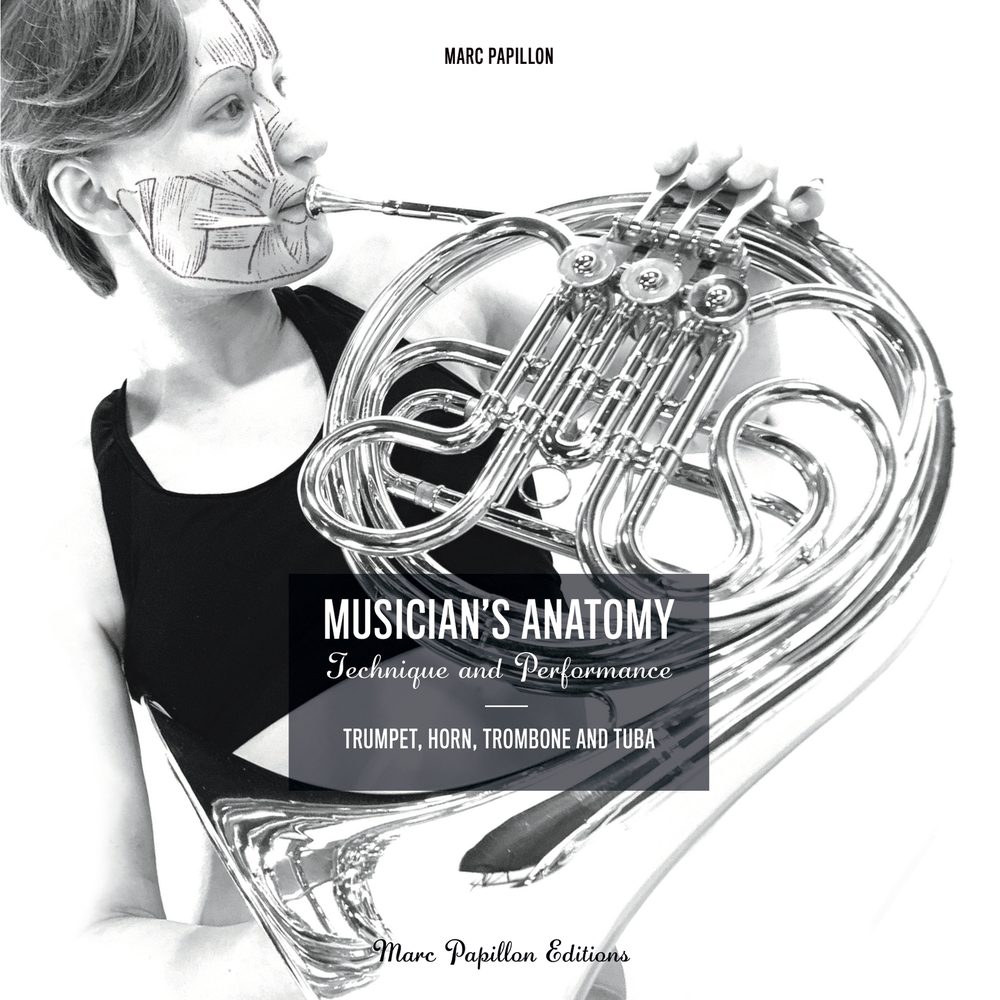
Trumpet, Horn, Trombone and Tuba
-
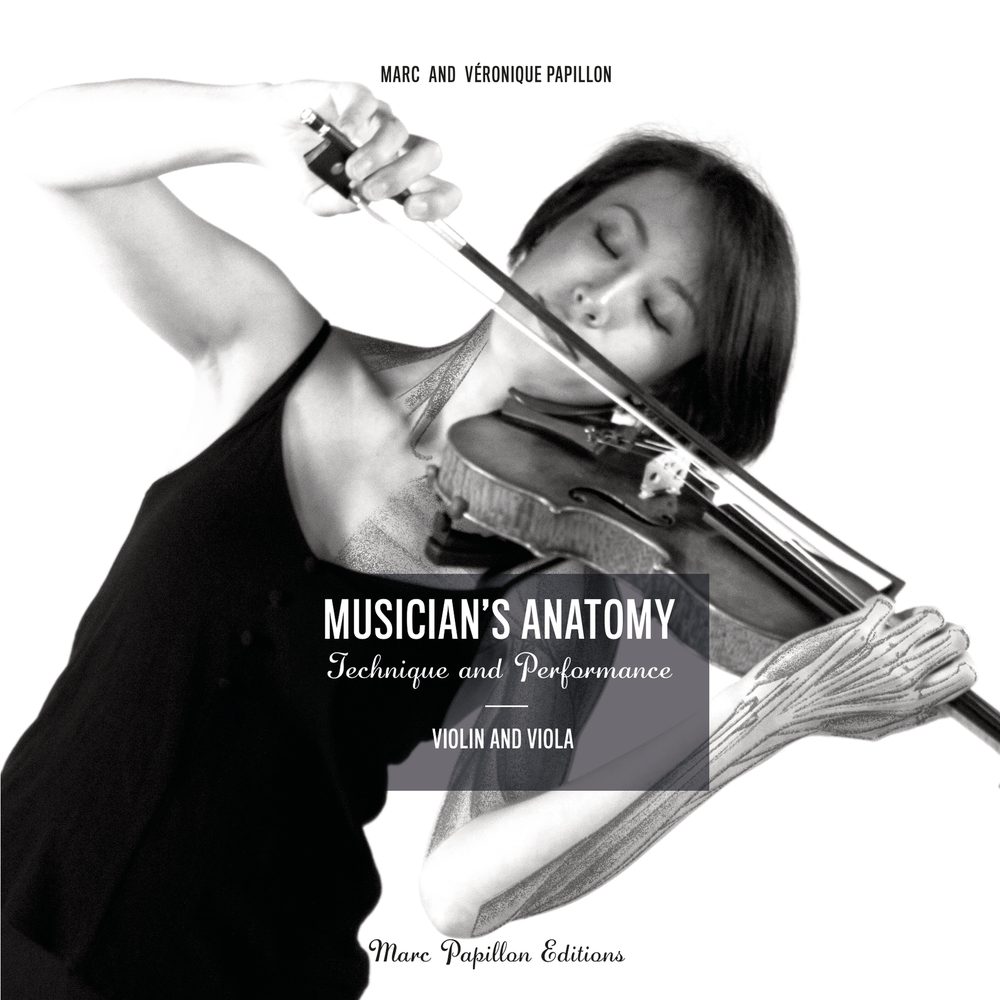
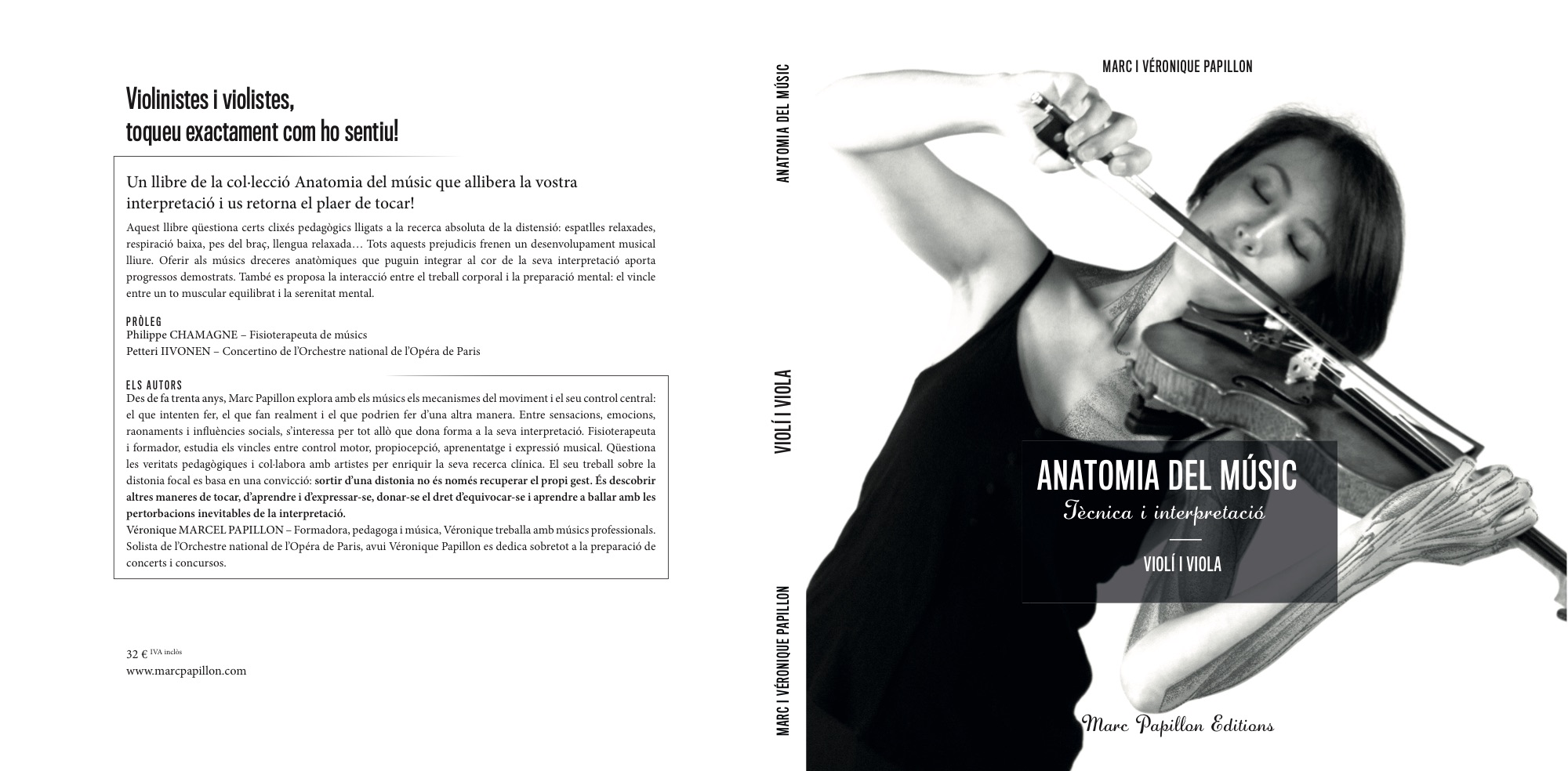
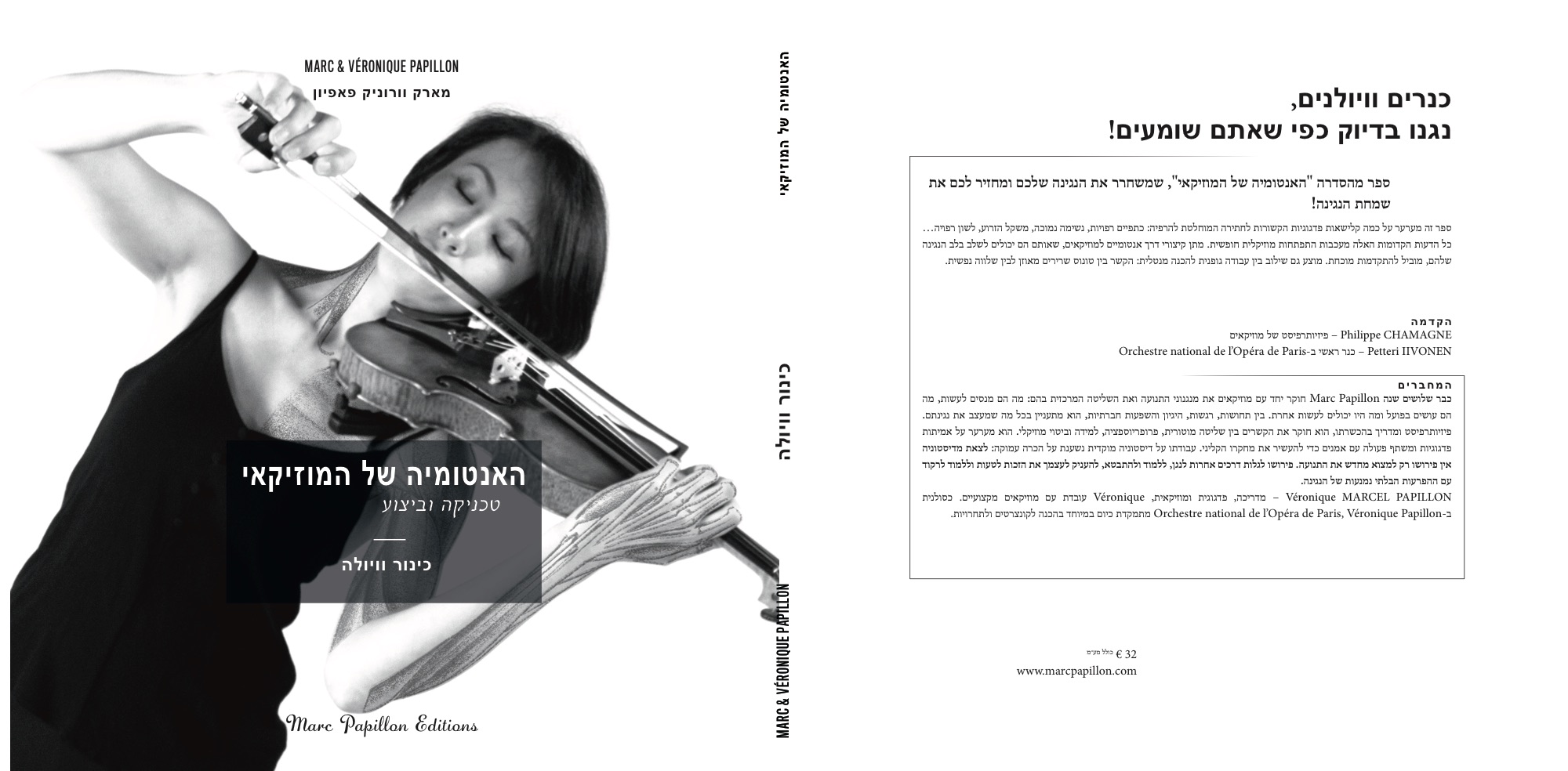
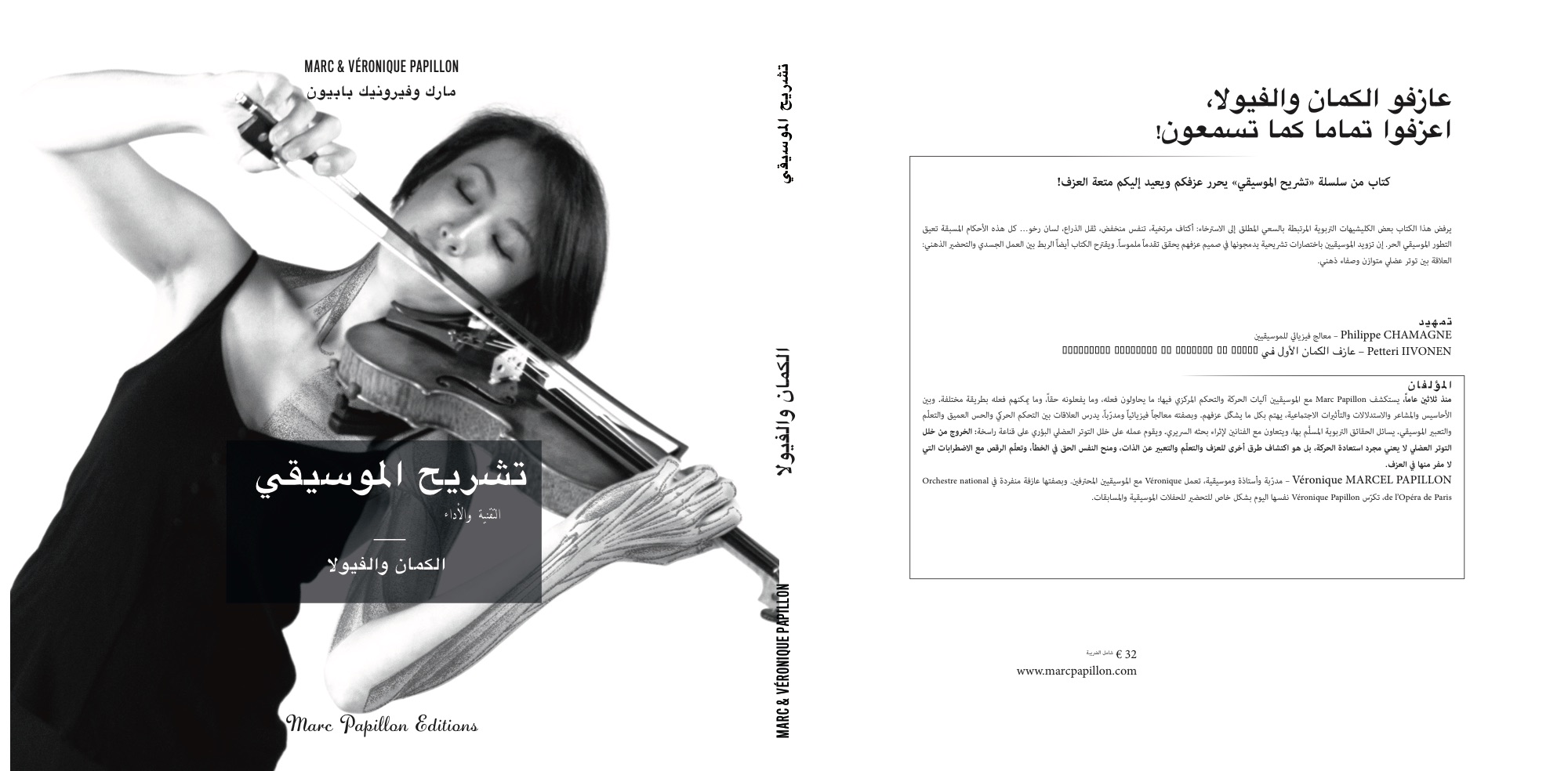
Violin and Viola
-
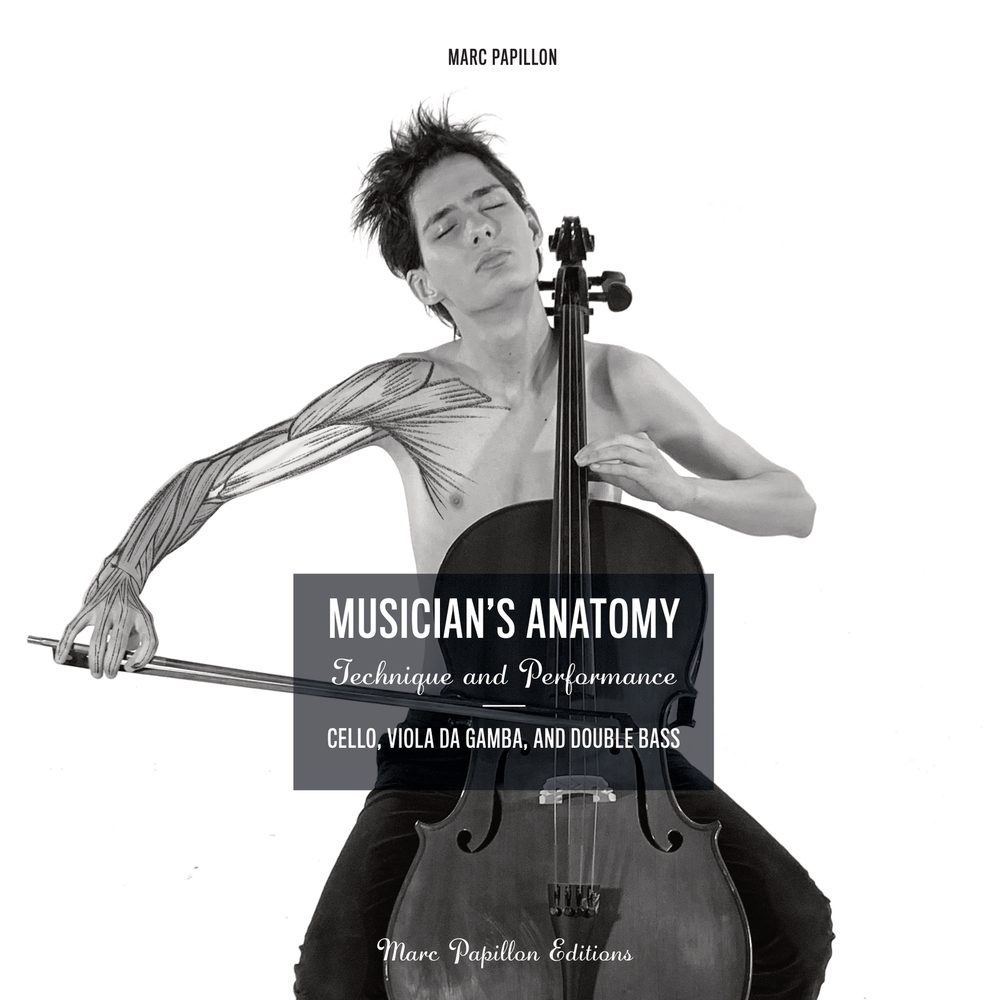
Cello and Double Bass
-
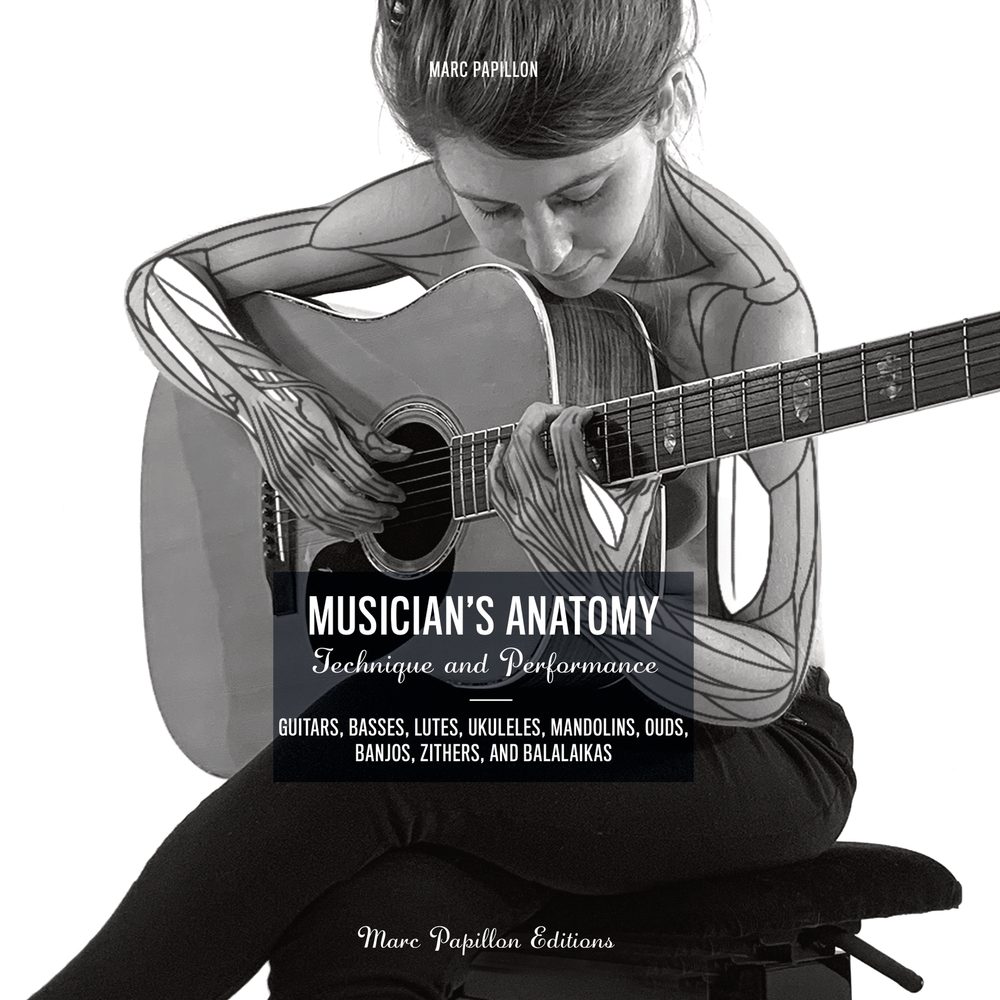
Guitars, Basses, Lutes, Ukuleles, Mandolins, Ouds, Banjos, Sitars and Balalaikas
-
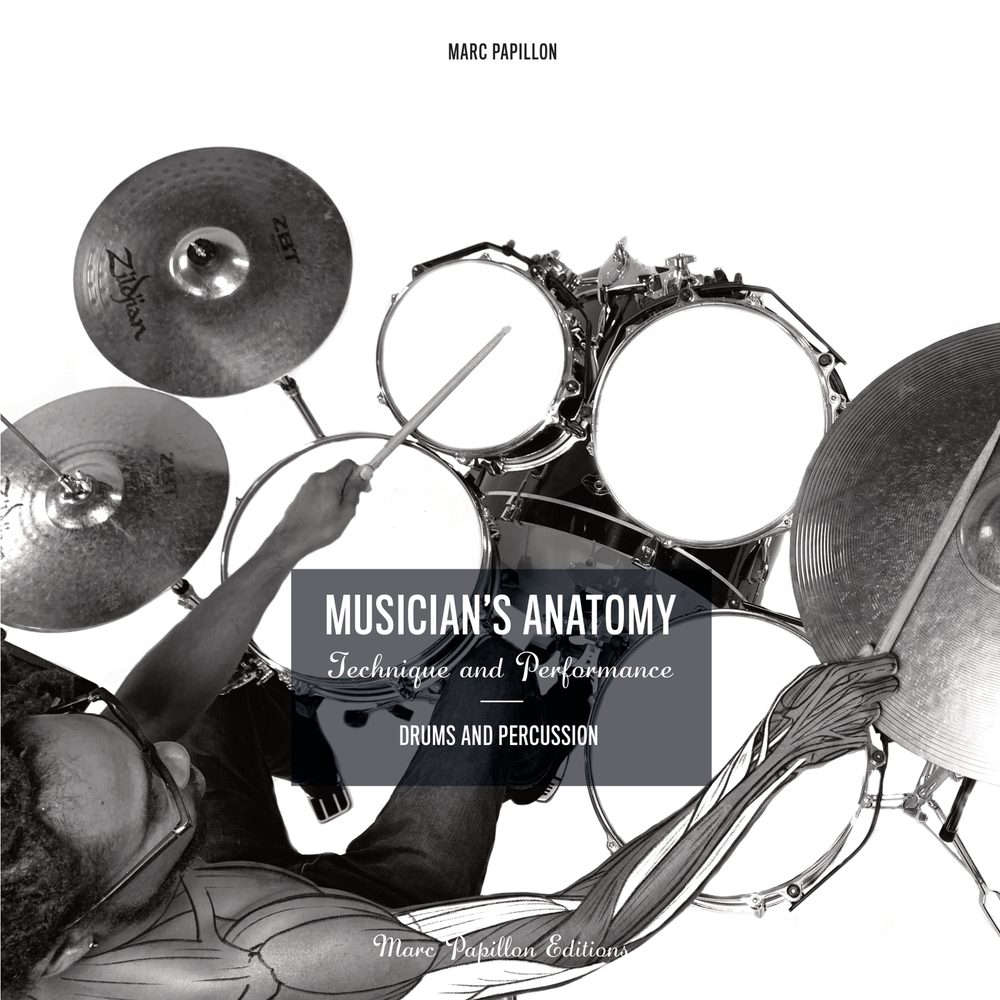
Drums and Percussion
-

Voice and Beatbox
-
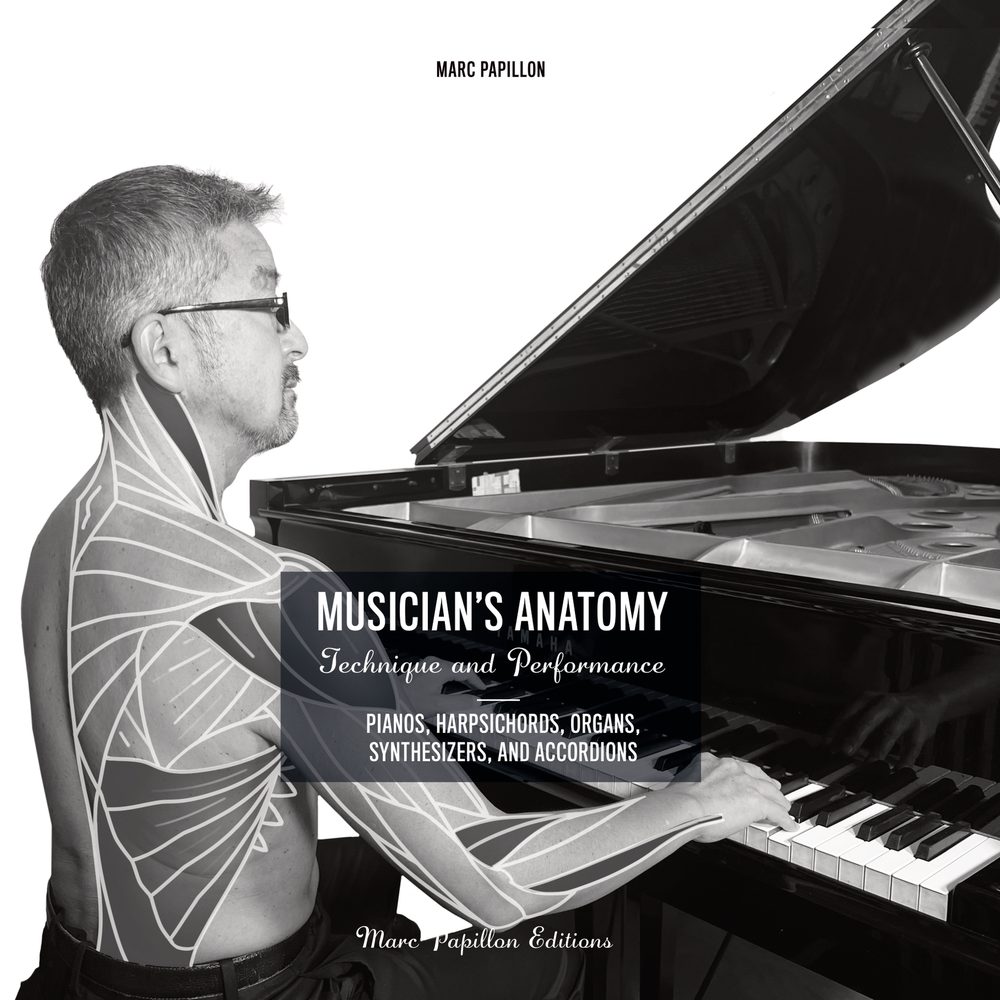
Pianists, Harpsichordists, Organists and Accordionists
-
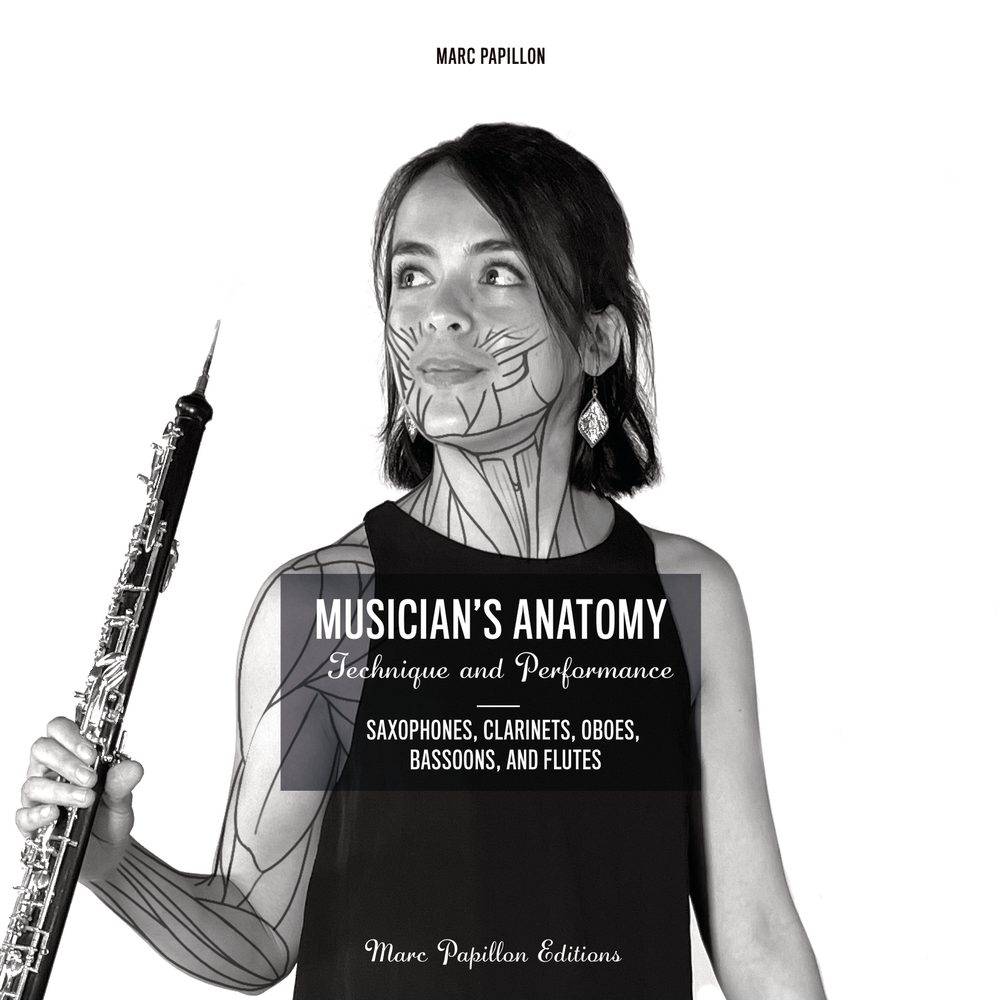
Saxophones, Clarinets, Oboes, Bassoons and Flutes
-
Musician, Actor, Dancer
-

Harps
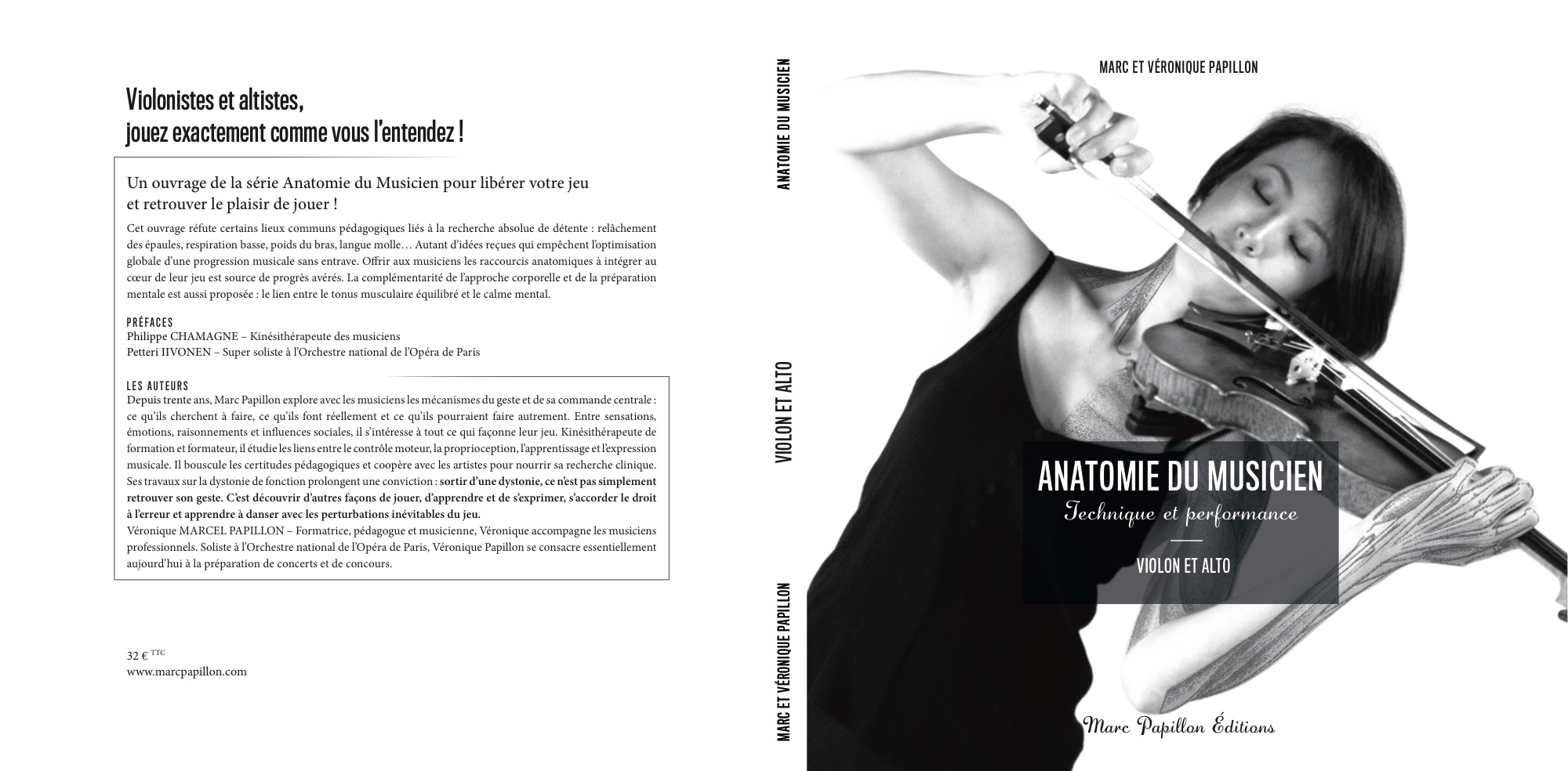
 FrenchFrançaisAnatomie du musicien Violon et alto
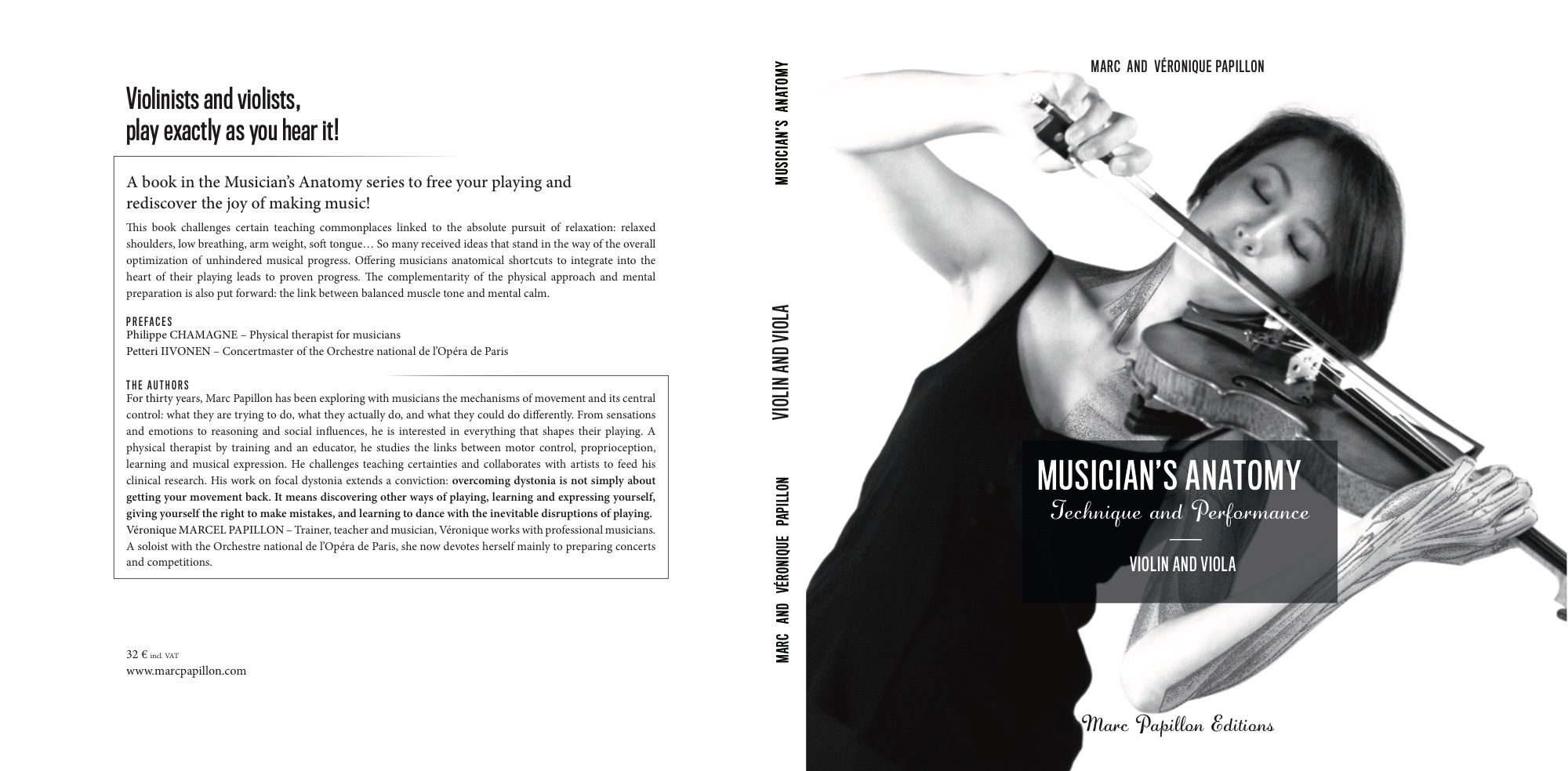
 EnglishEnglishMusician’s Anatomy Violin and Viola
 SpanishEspañolAnatomía del músico Violín y viola
 GermanDeutschAnatomie des Musikers Violine und Bratsche
 Japanese日本語音楽家の解剖学 ヴァイオリンとヴィオラ
 PortuguesePortuguêsAnatomia do músico Violino e viola
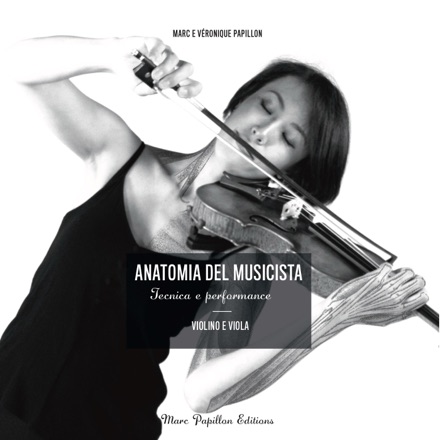 ItalianItalianoAnatomia del musicista Violino e viola
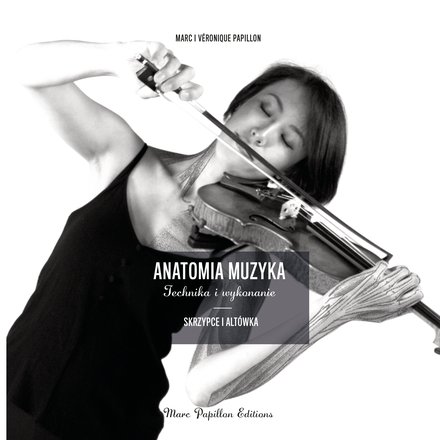 PolishPolskiAnatomia muzyka Skrzypce i altówka
 DutchNederlandsAnatomie van de musicus Viool en altviool
 SwedishSvenskaMusikerns anatomi Violin och altfiol
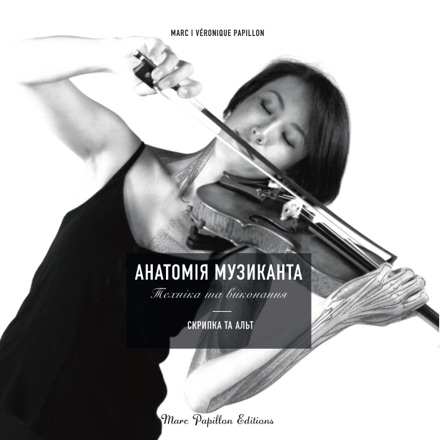 UkrainianУкраїнськаАнатомія музиканта Скрипка та альт
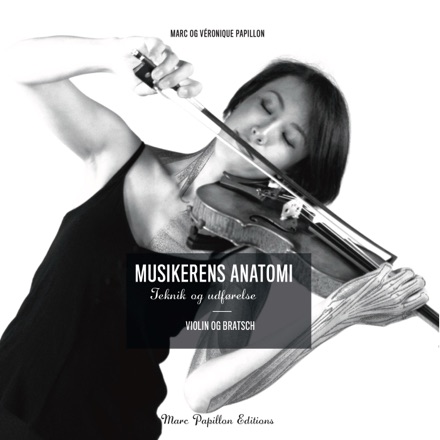 DanishDanskMusikerens anatomi Violin og bratsch
 Chinese中文音乐家解剖学 小提琴与中提琴
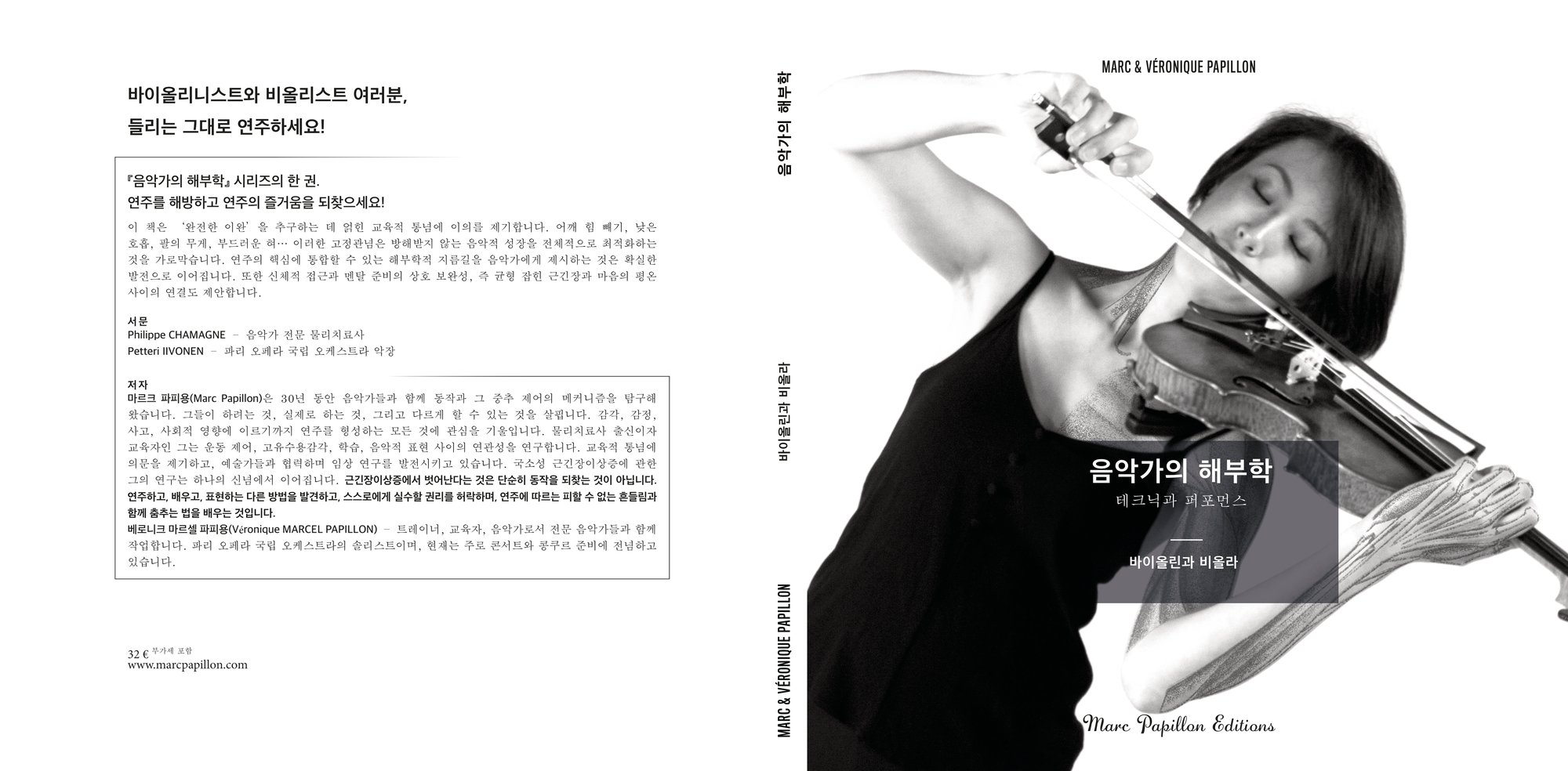
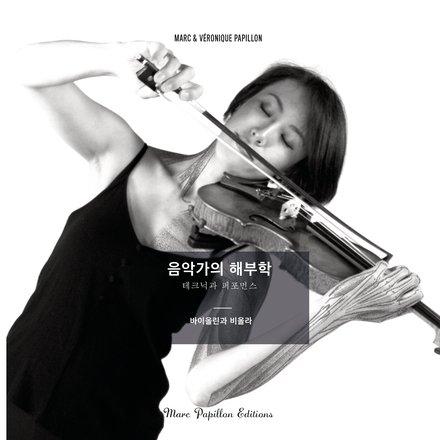 Korean한국어음악가의 해부학 바이올린과 비올라
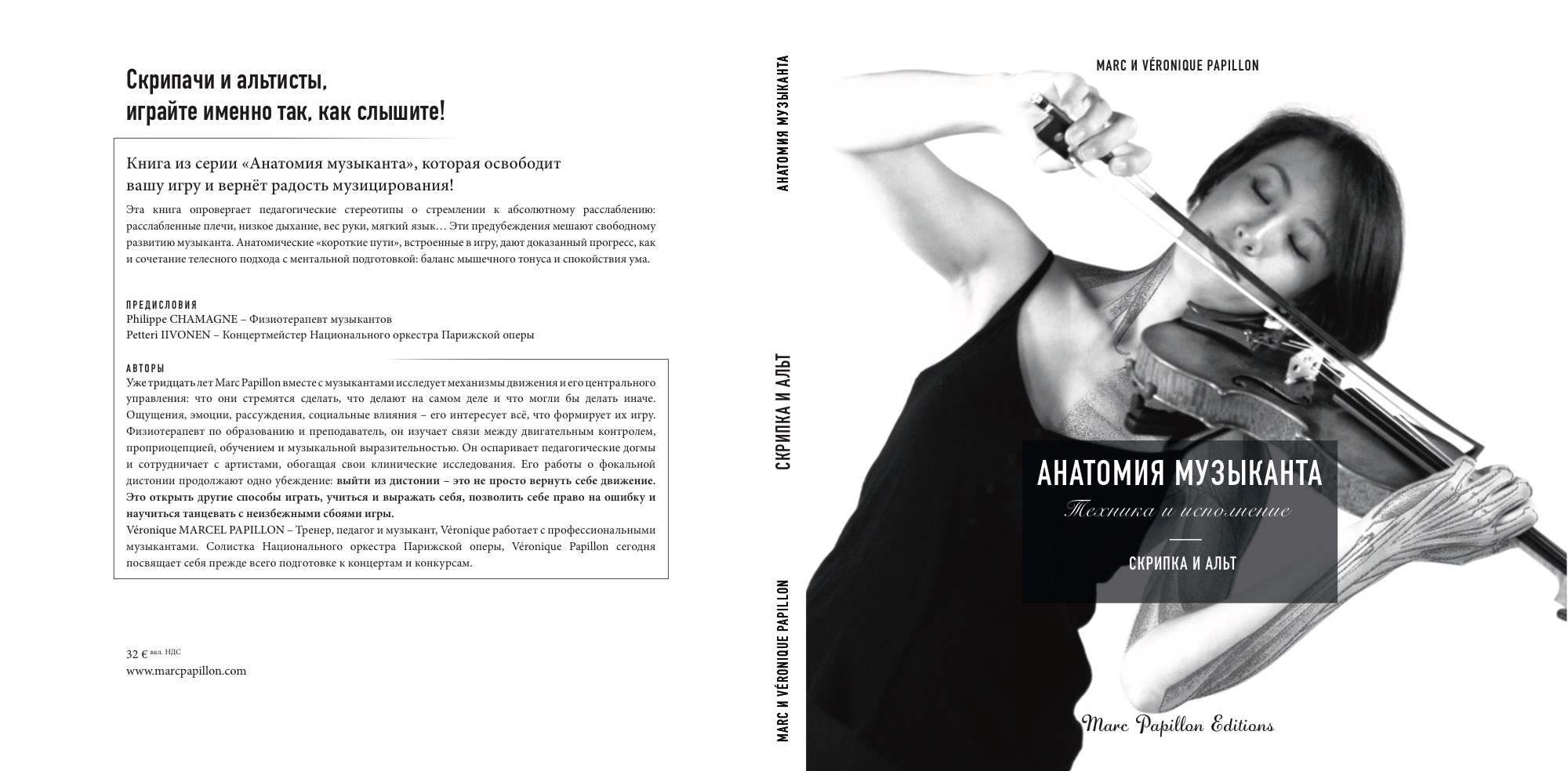
 RussianРусскийАнатомия музыканта Скрипка и альт
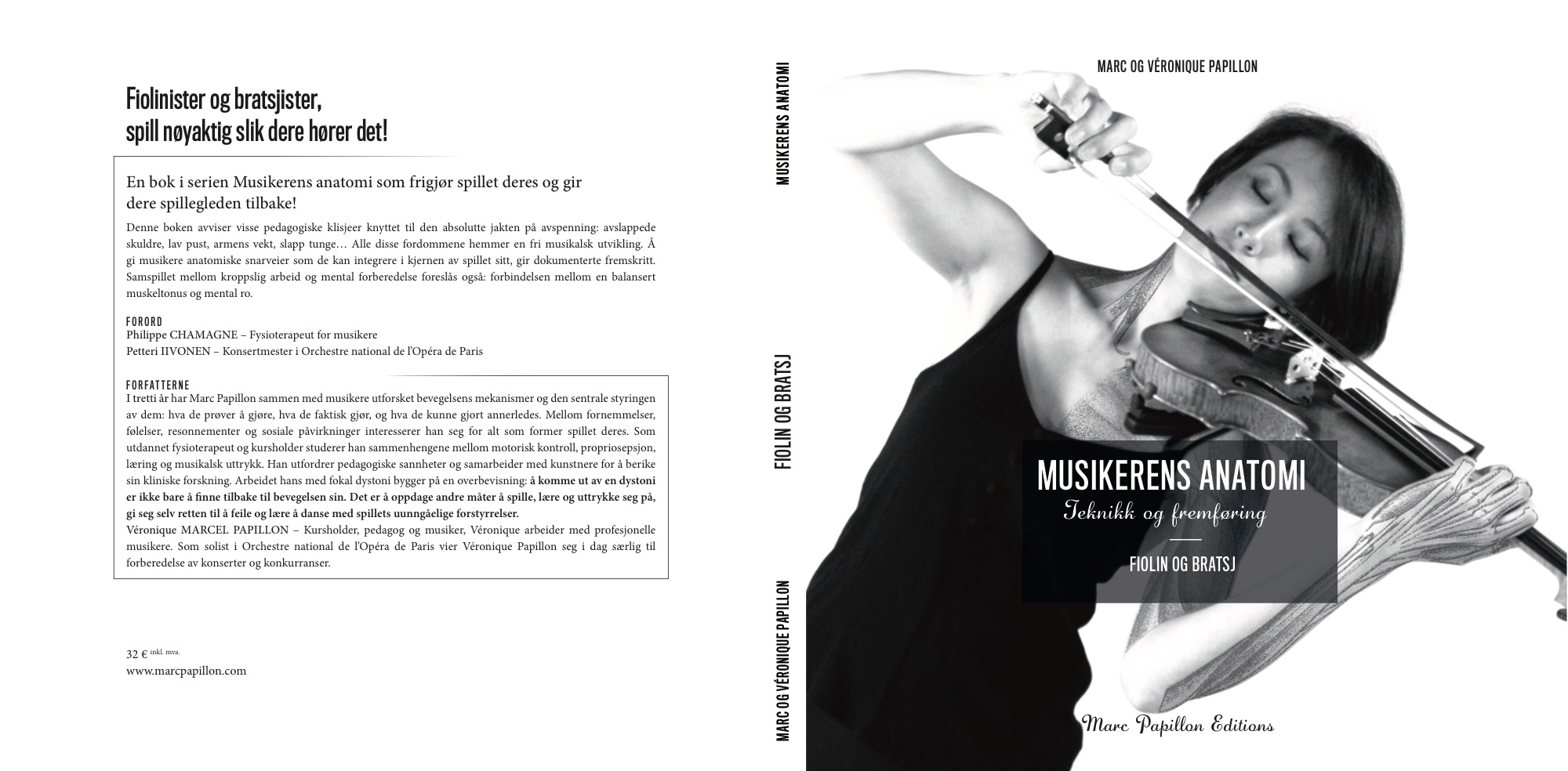
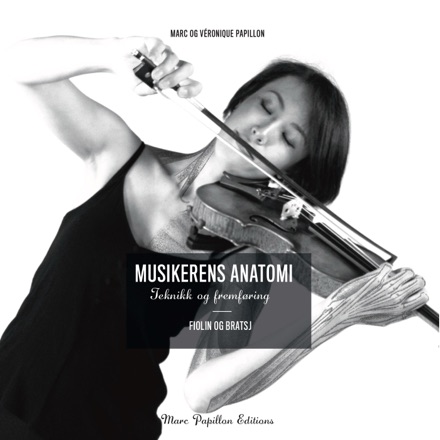 NorwegianNorskMusikerens anatomi Fiolin og bratsj
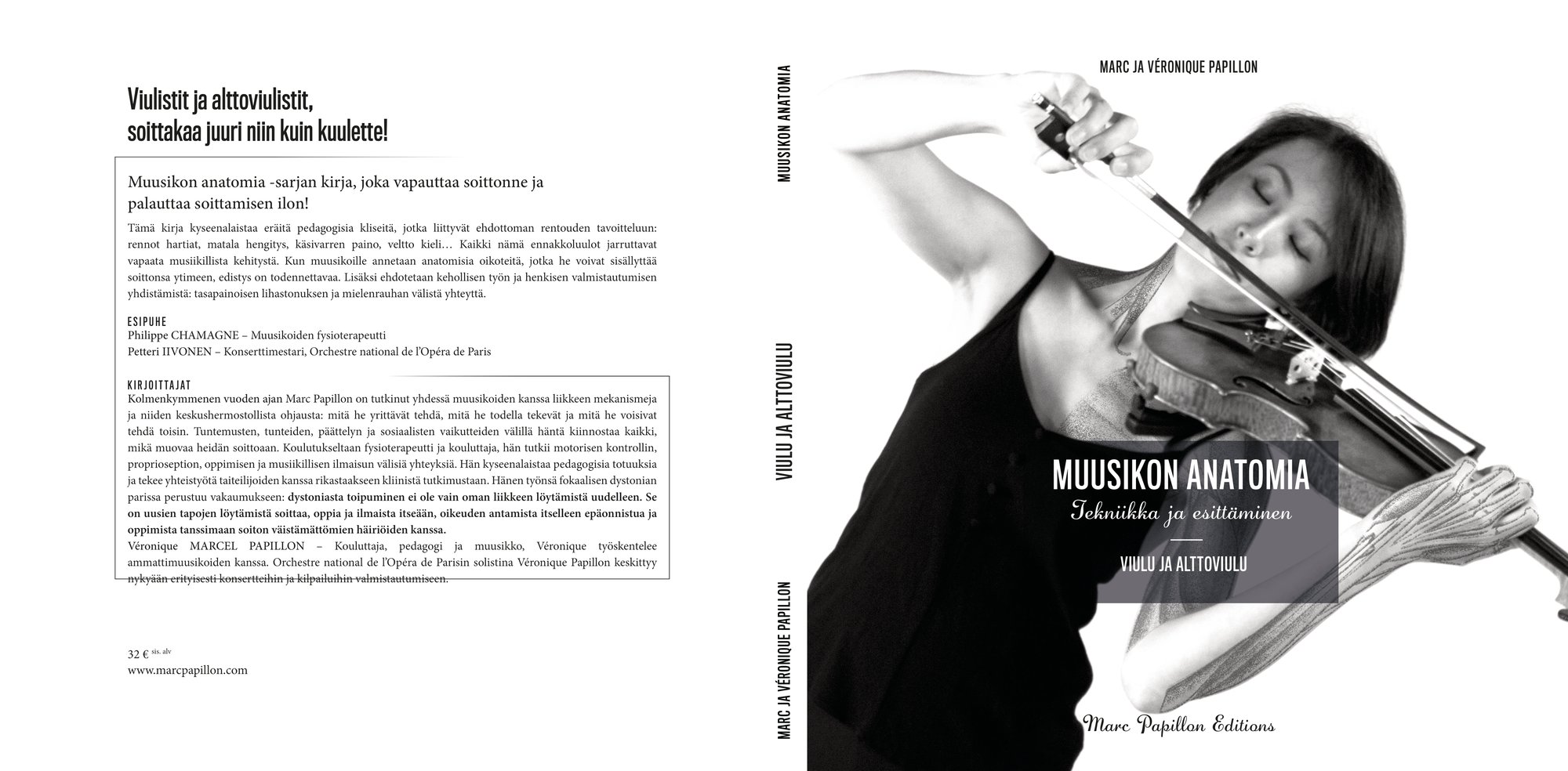
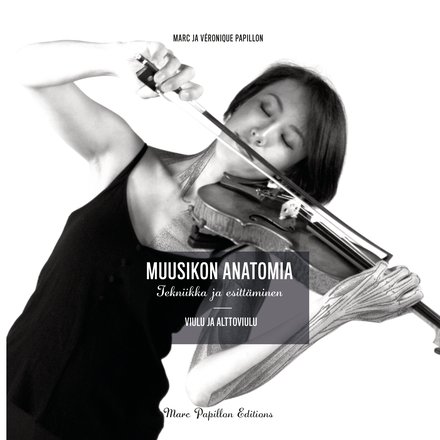 FinnishSuomiMuusikon anatomia Viulu ja alttoviulu
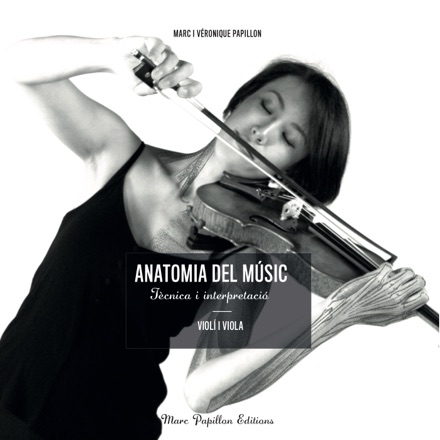 CatalanCatalàAnatomia del músic Violí i viola
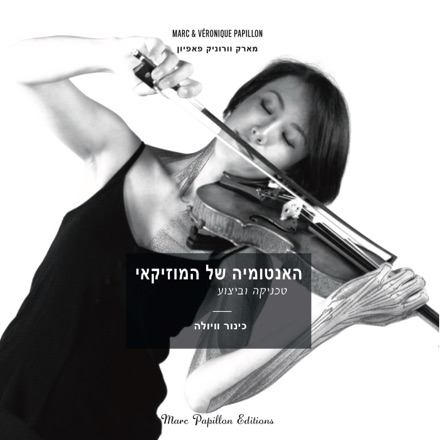 Hebrewעבריתהאנטומיה של המוזיקאי כינור וויולה
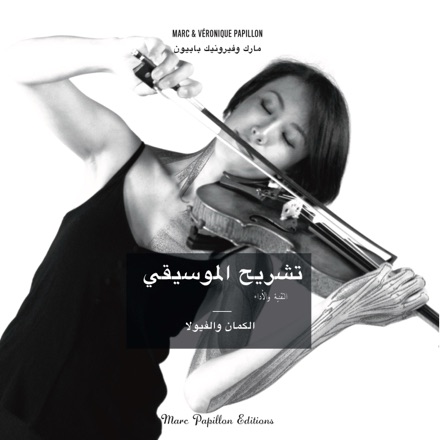 Arabicالعربيةتشريح الموسيقي الكمان والفيولا
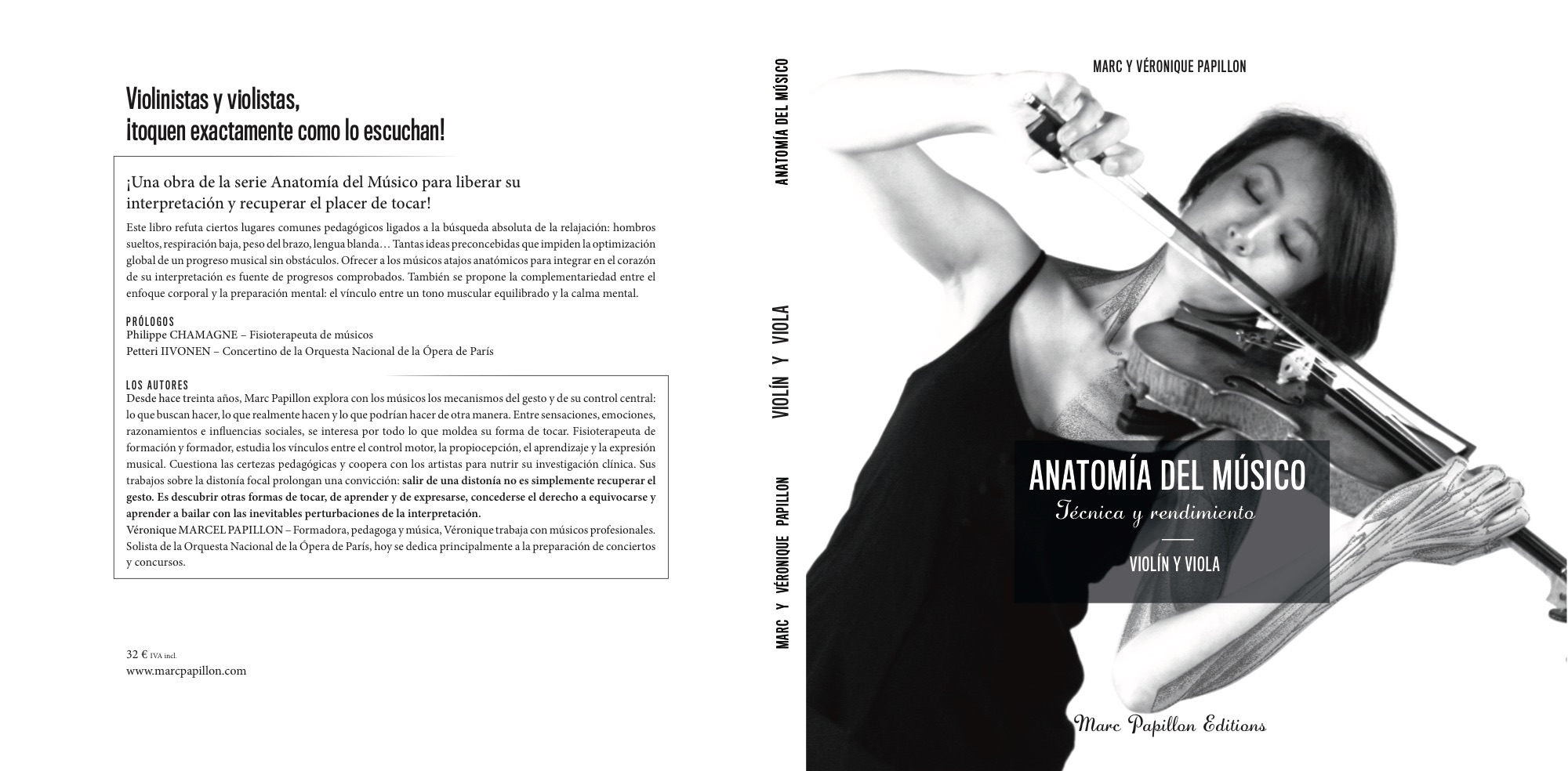
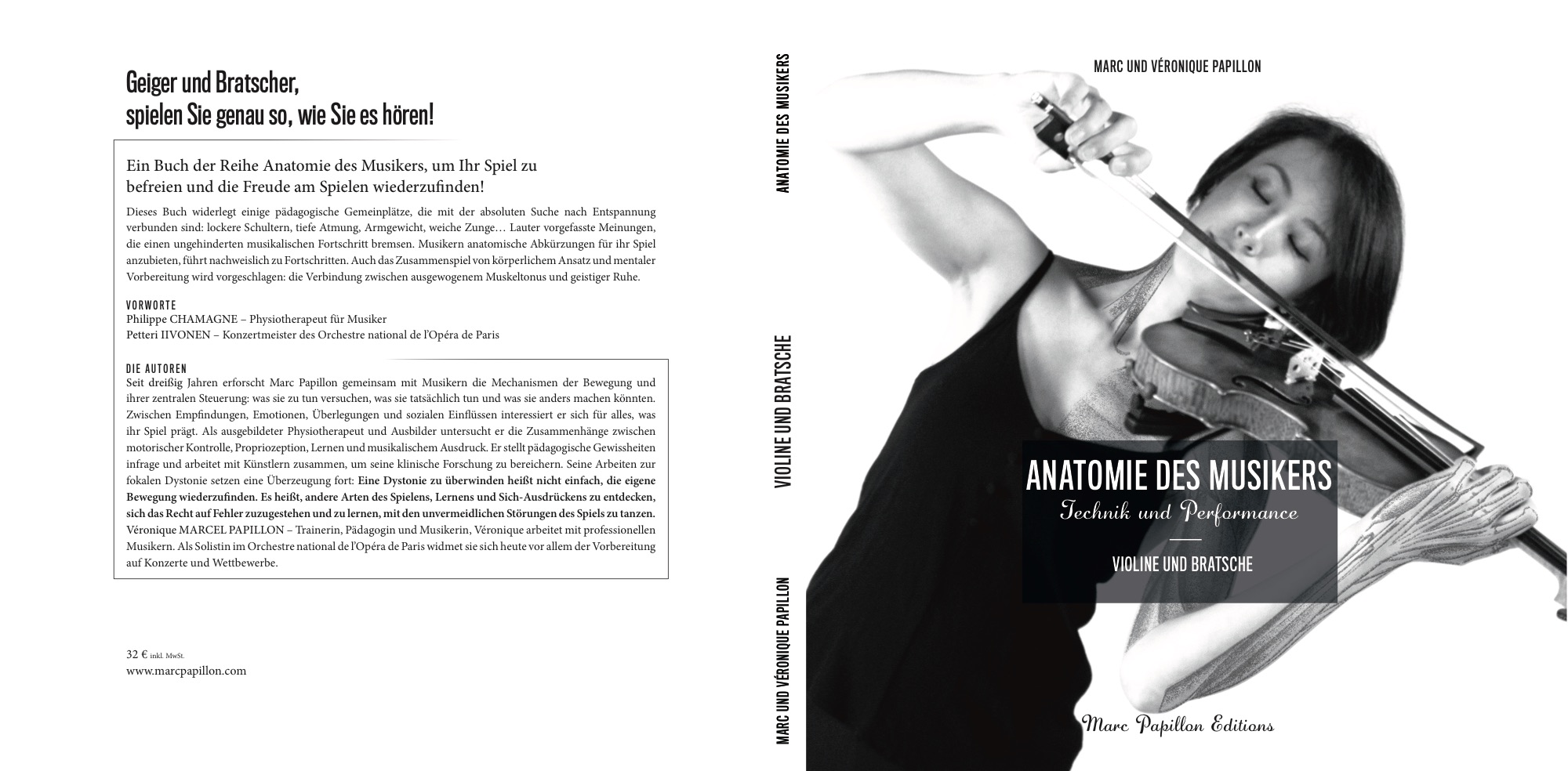
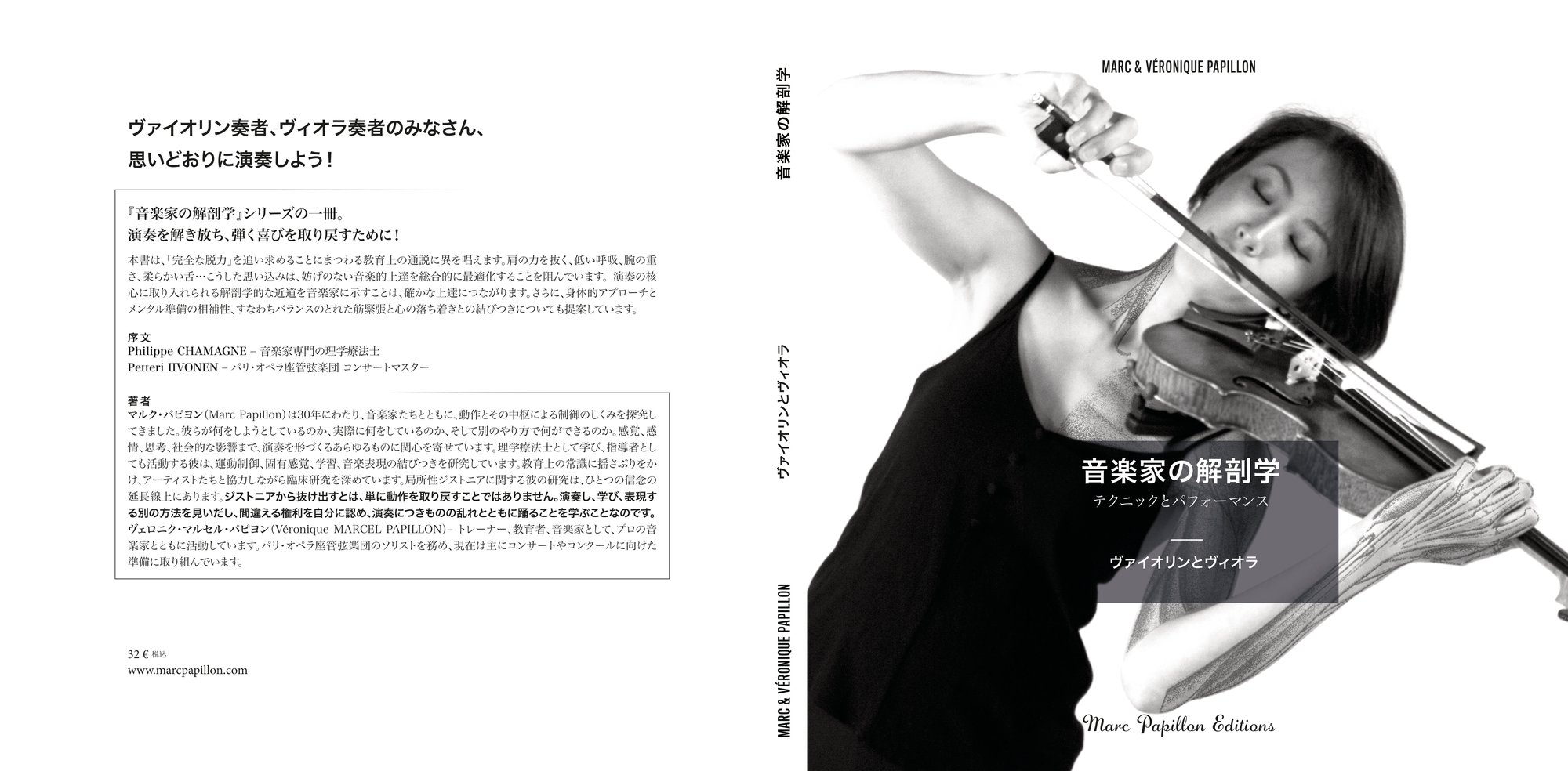
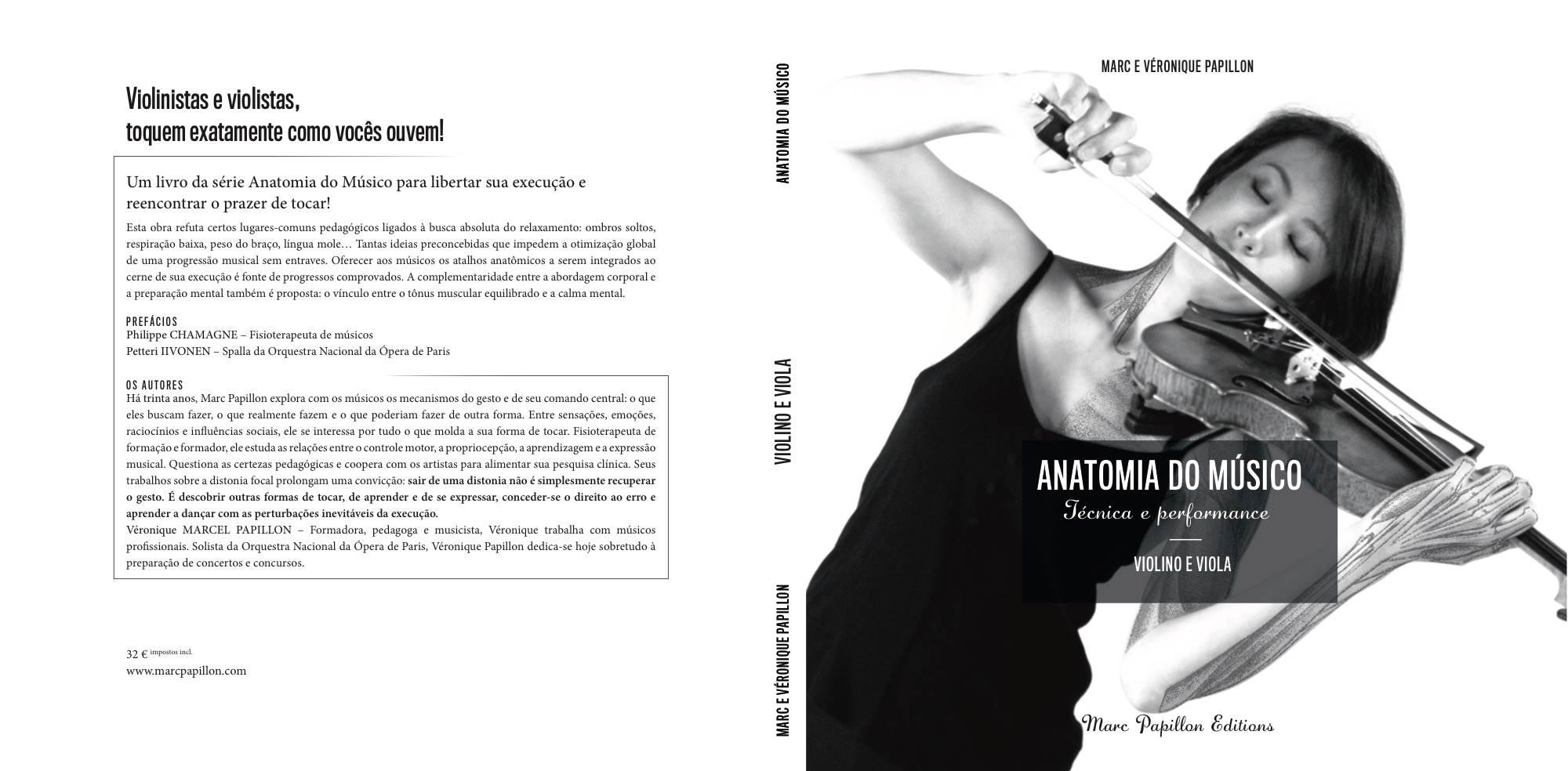

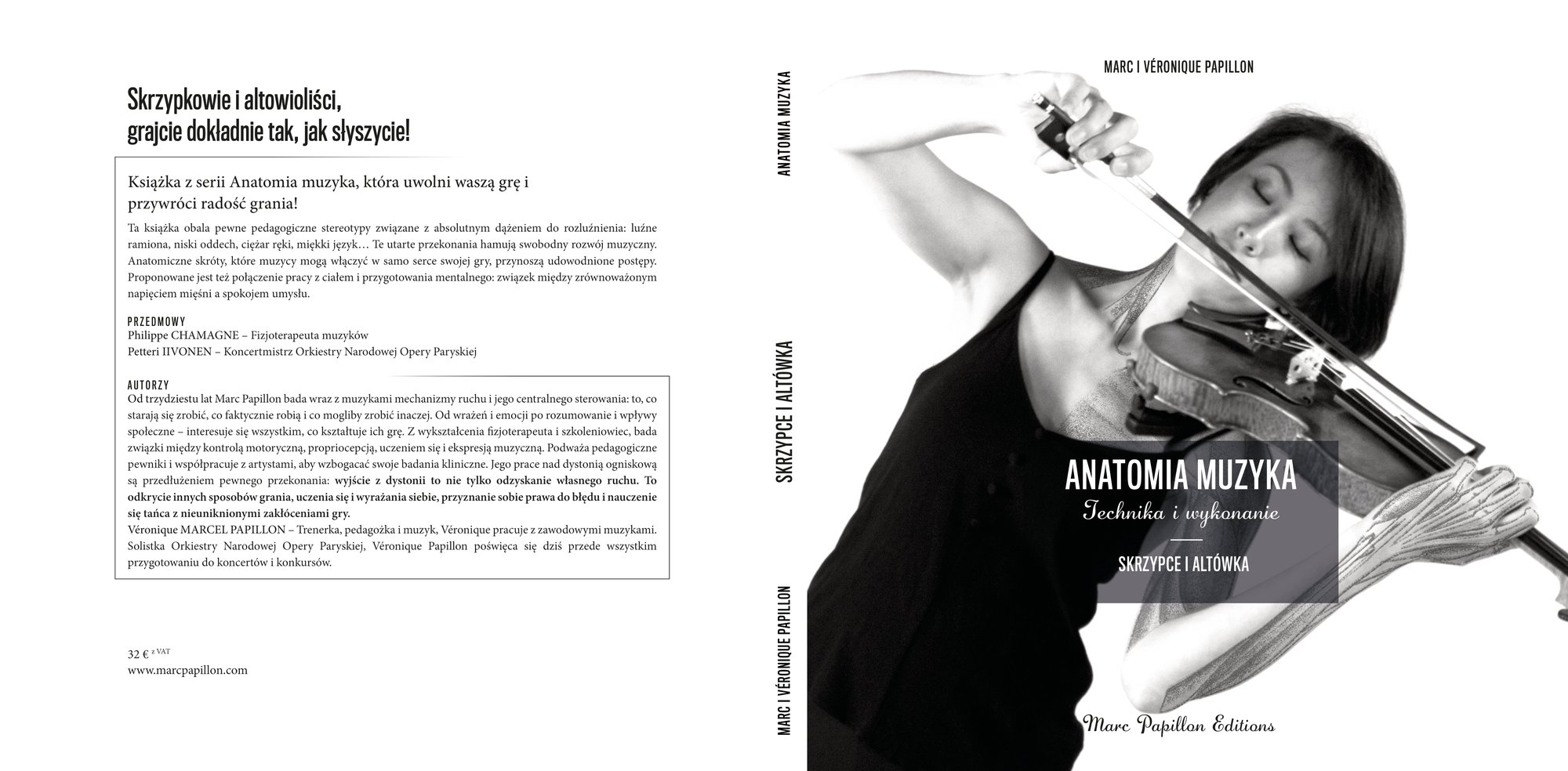
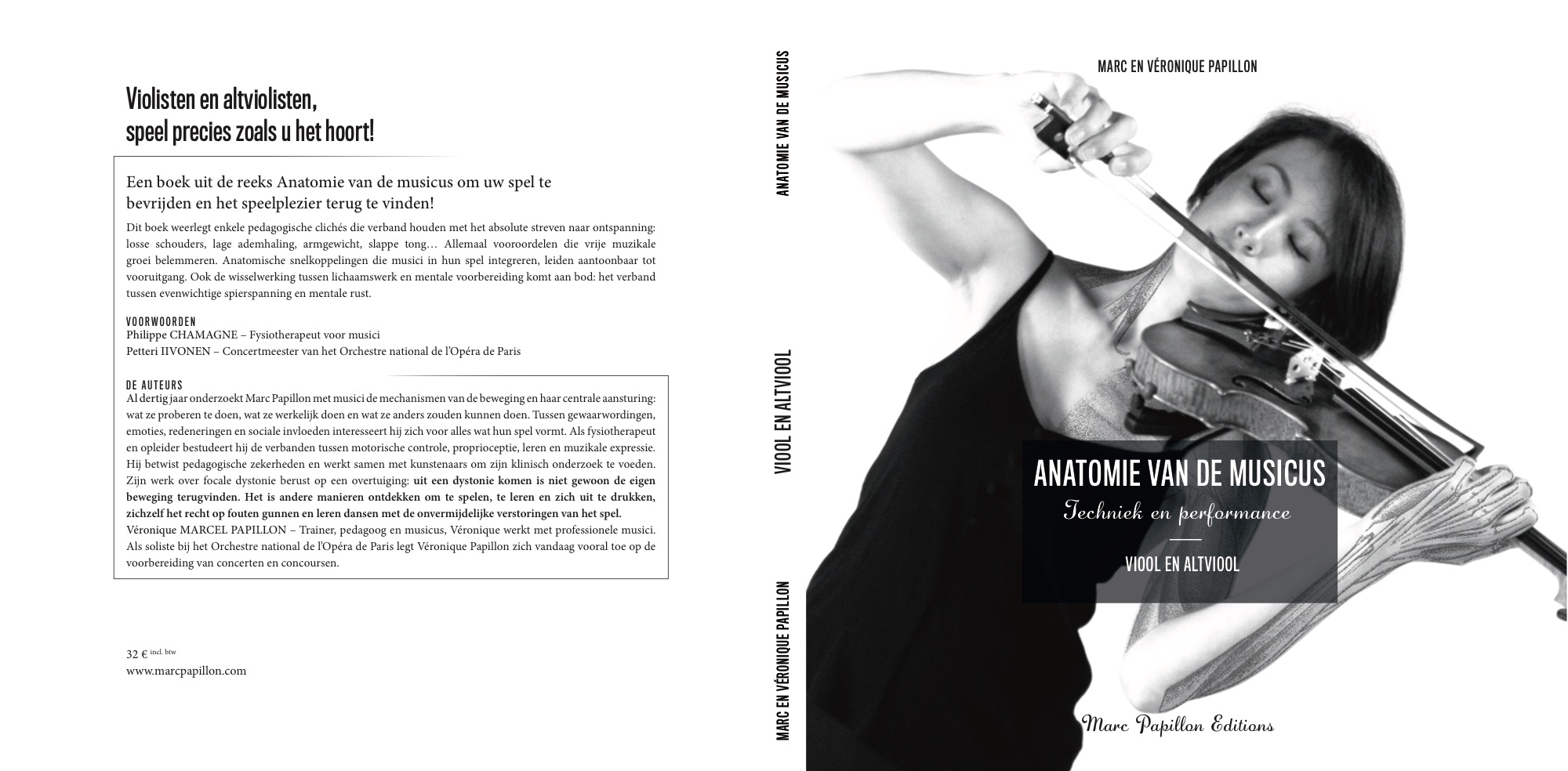
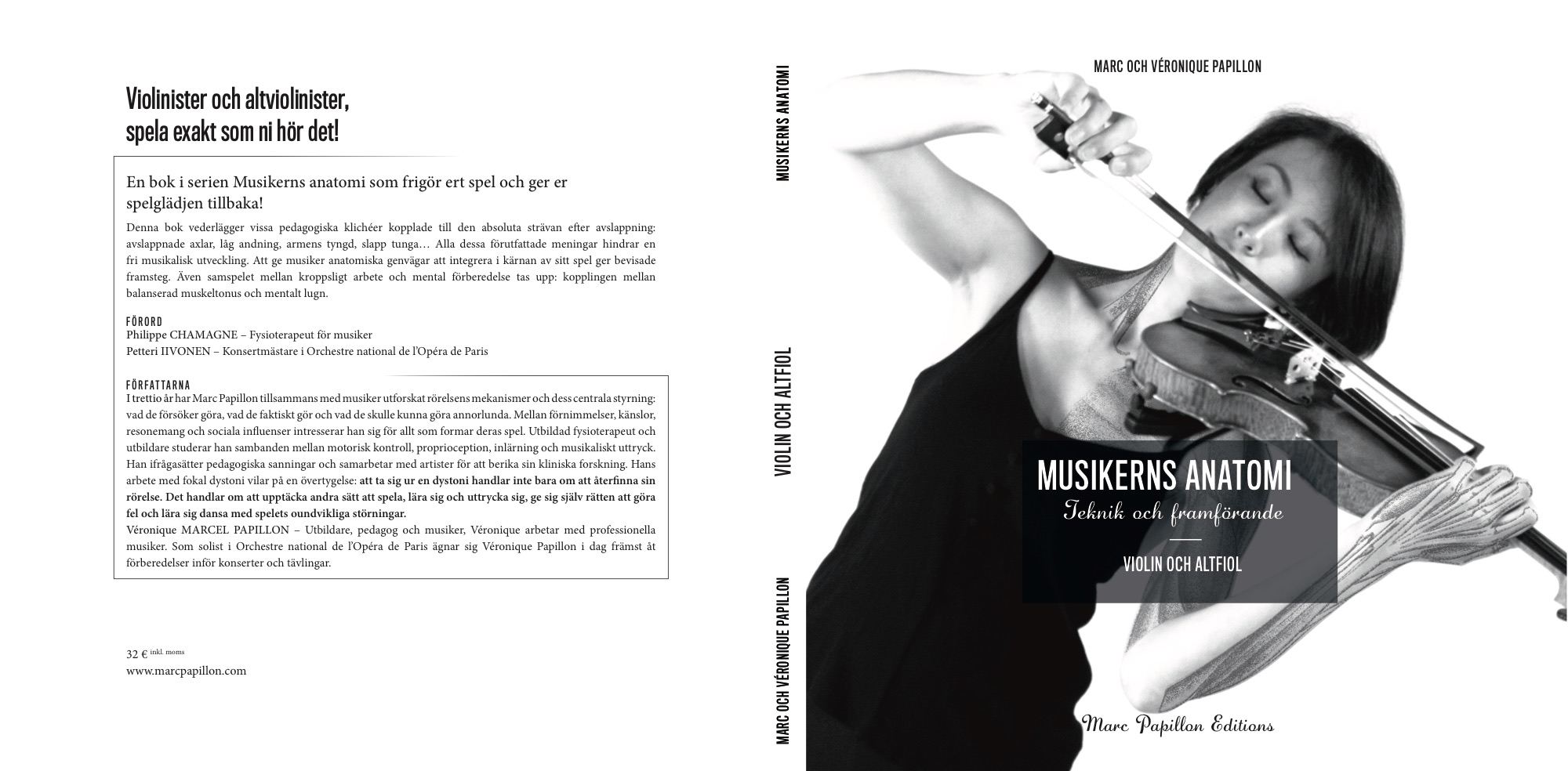

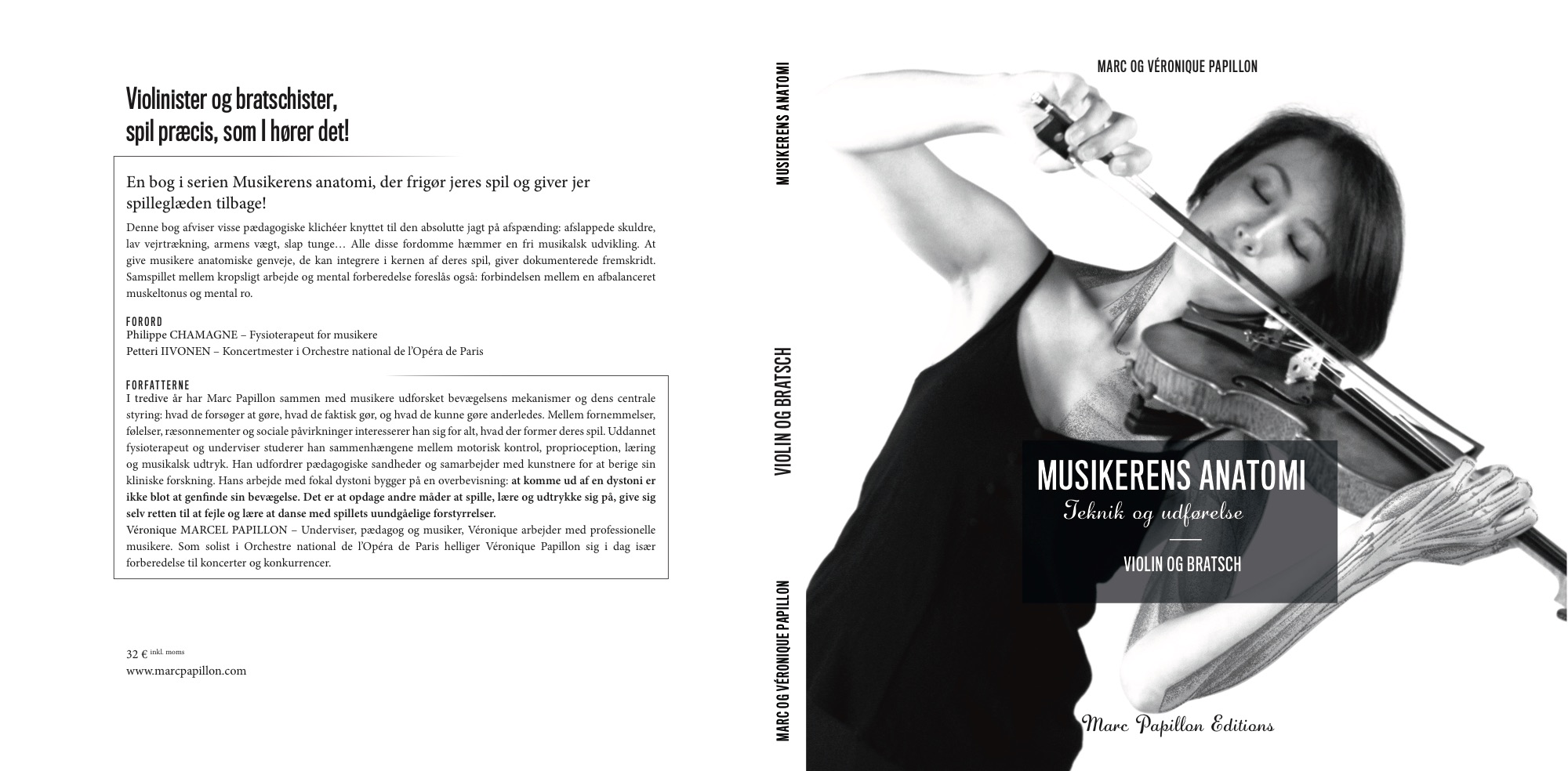

An original edition
Auditionsthe embodied musician’s lab
-
Myths & Realities
From a constrained body to living movement -
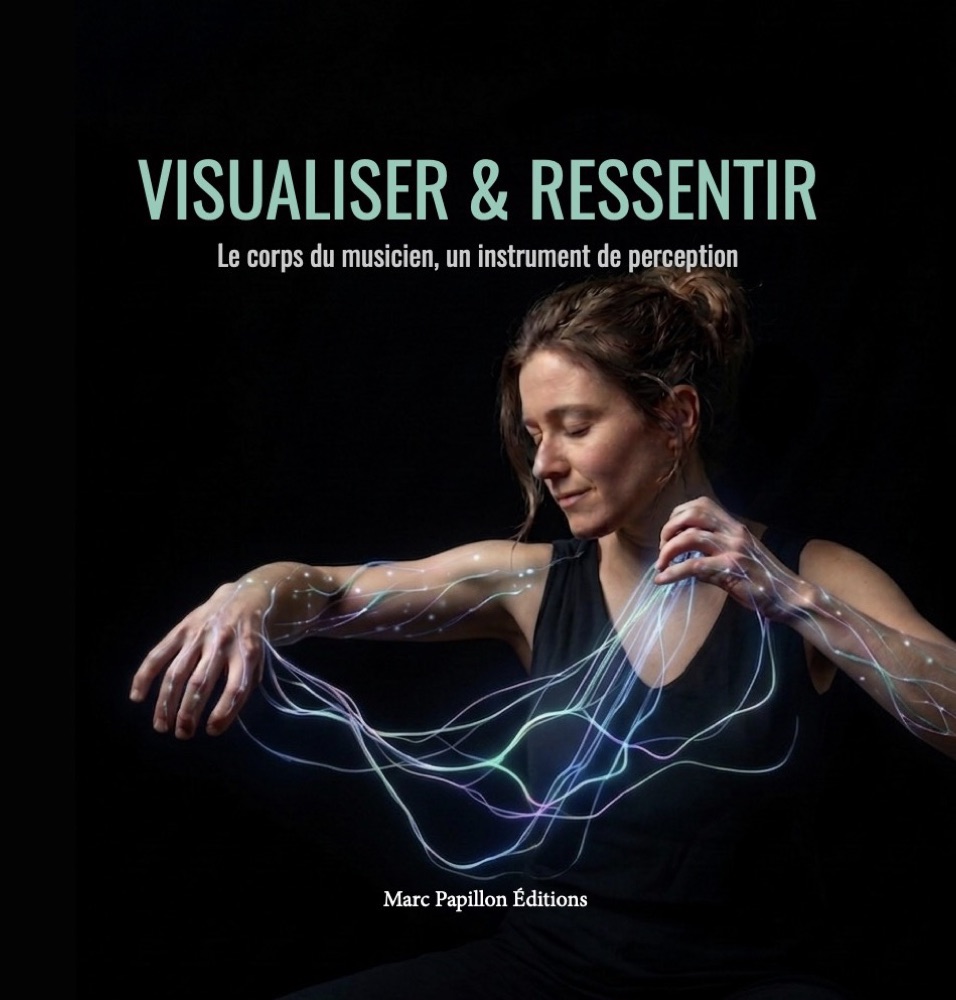
Visualize & Feel
The musician’s body, an instrument of perception -
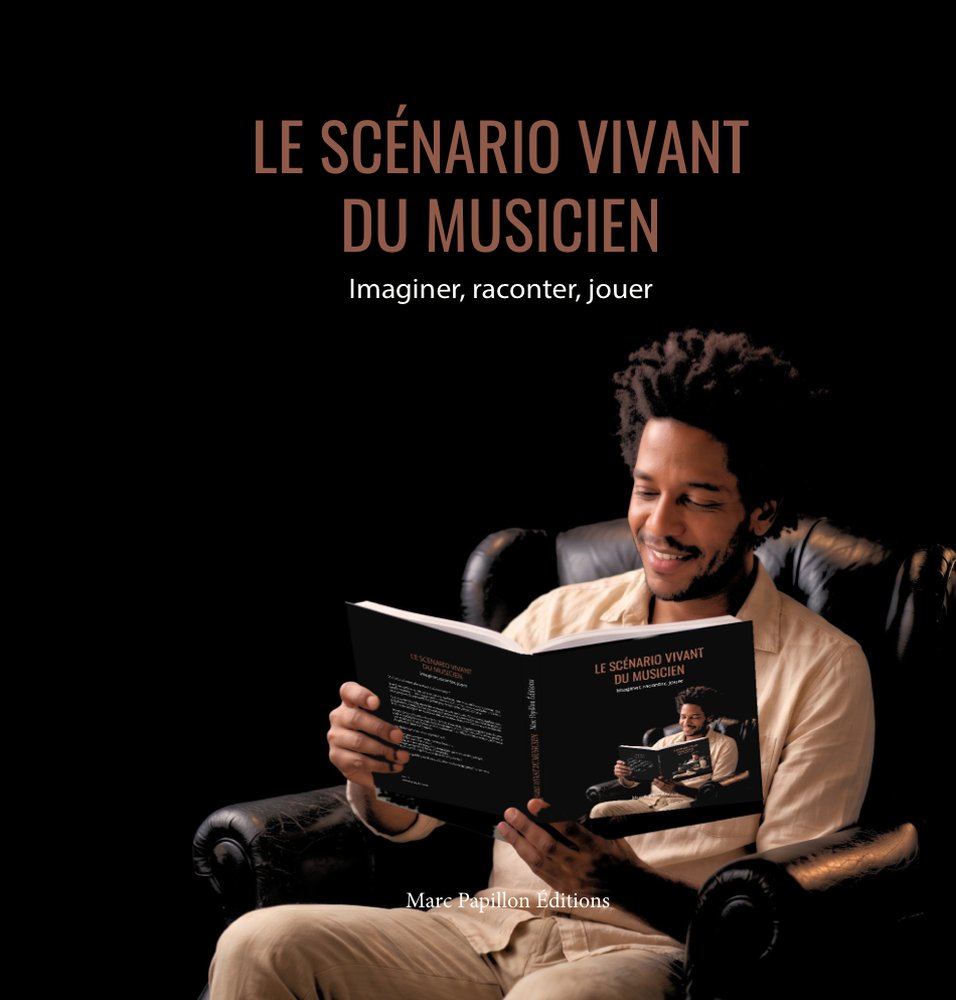
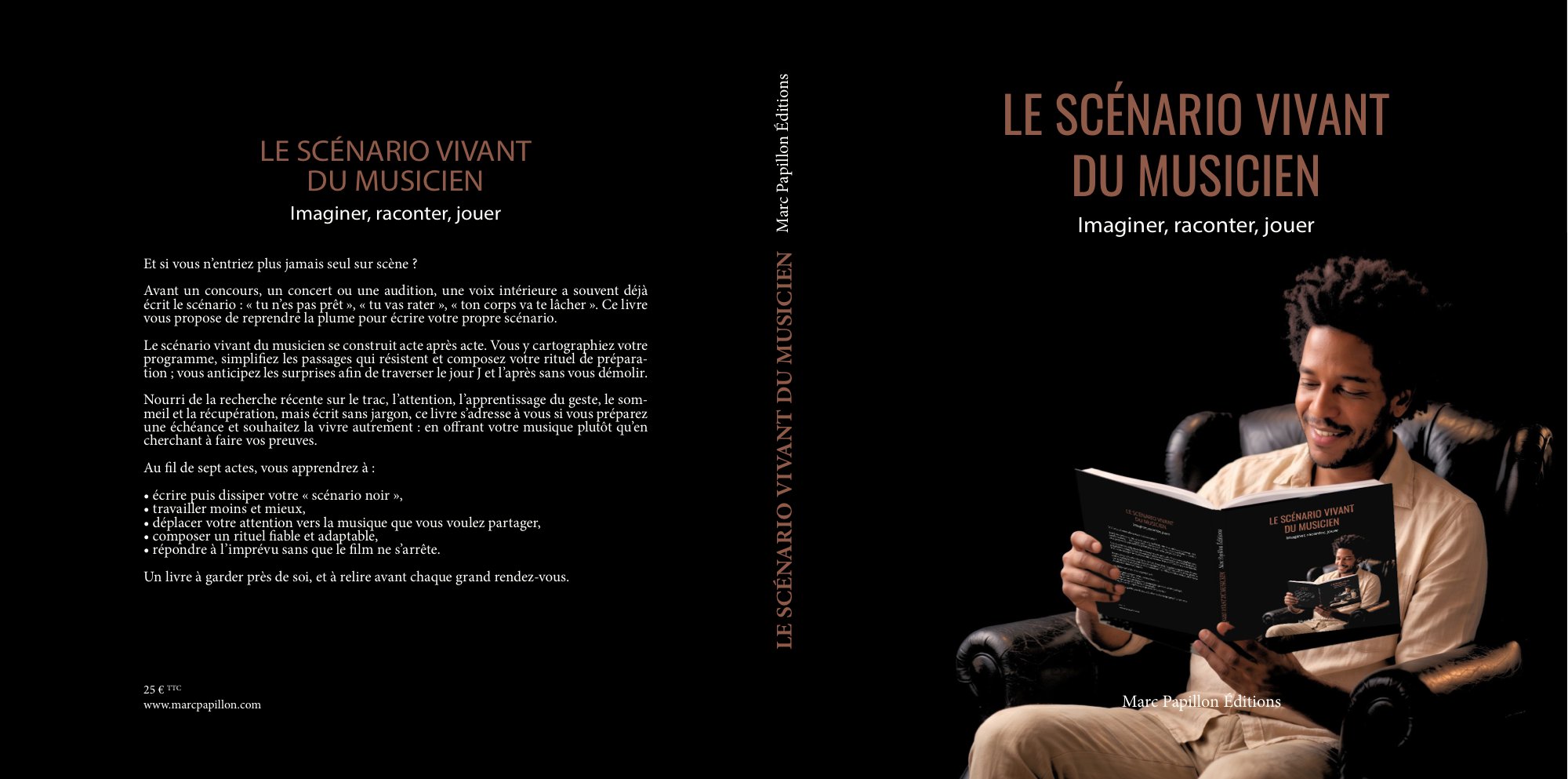
The Musician’s Living Script
Imagine, tell, play -

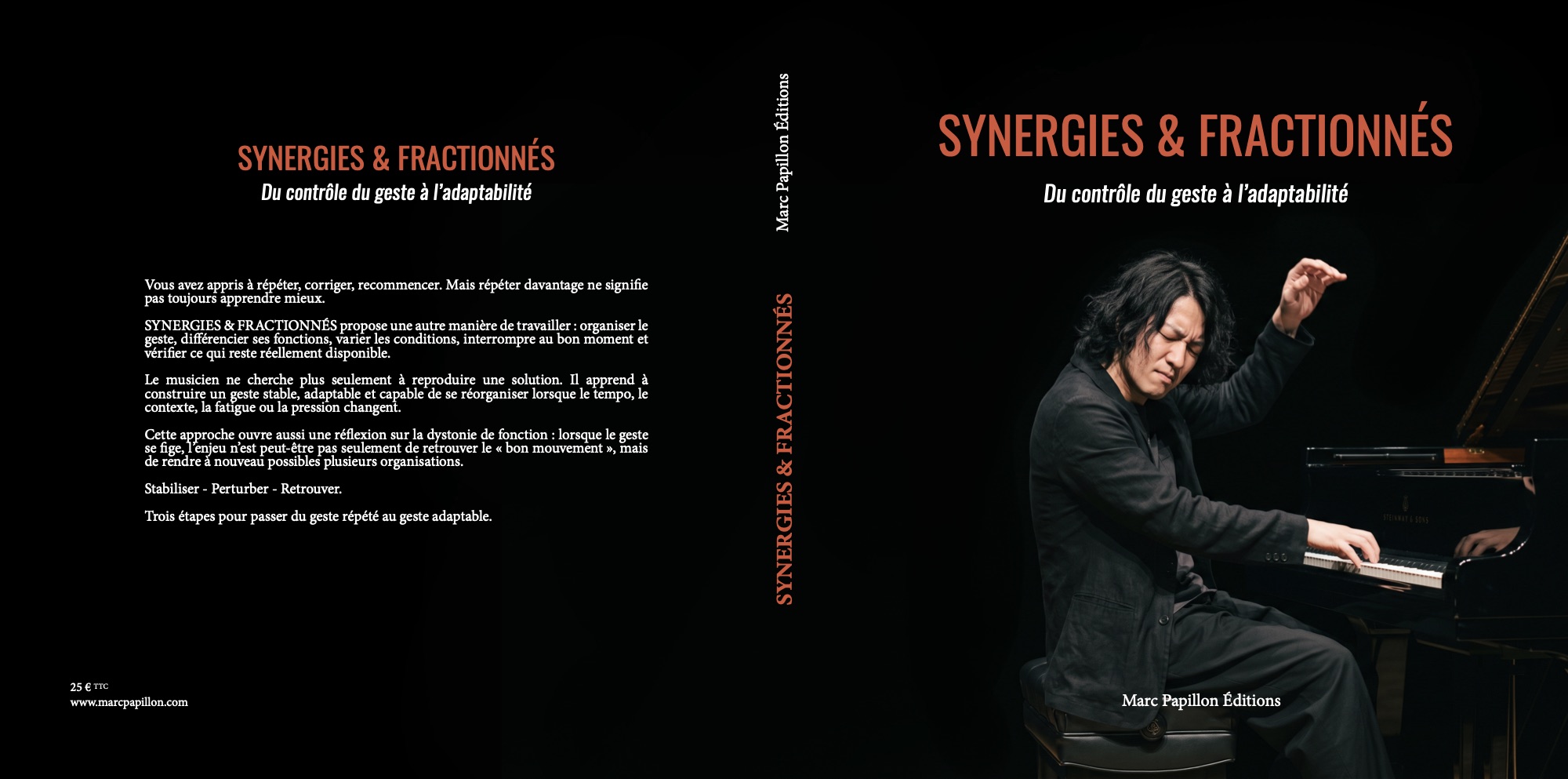
Synergies & Intervals
From controlling movement to adaptability
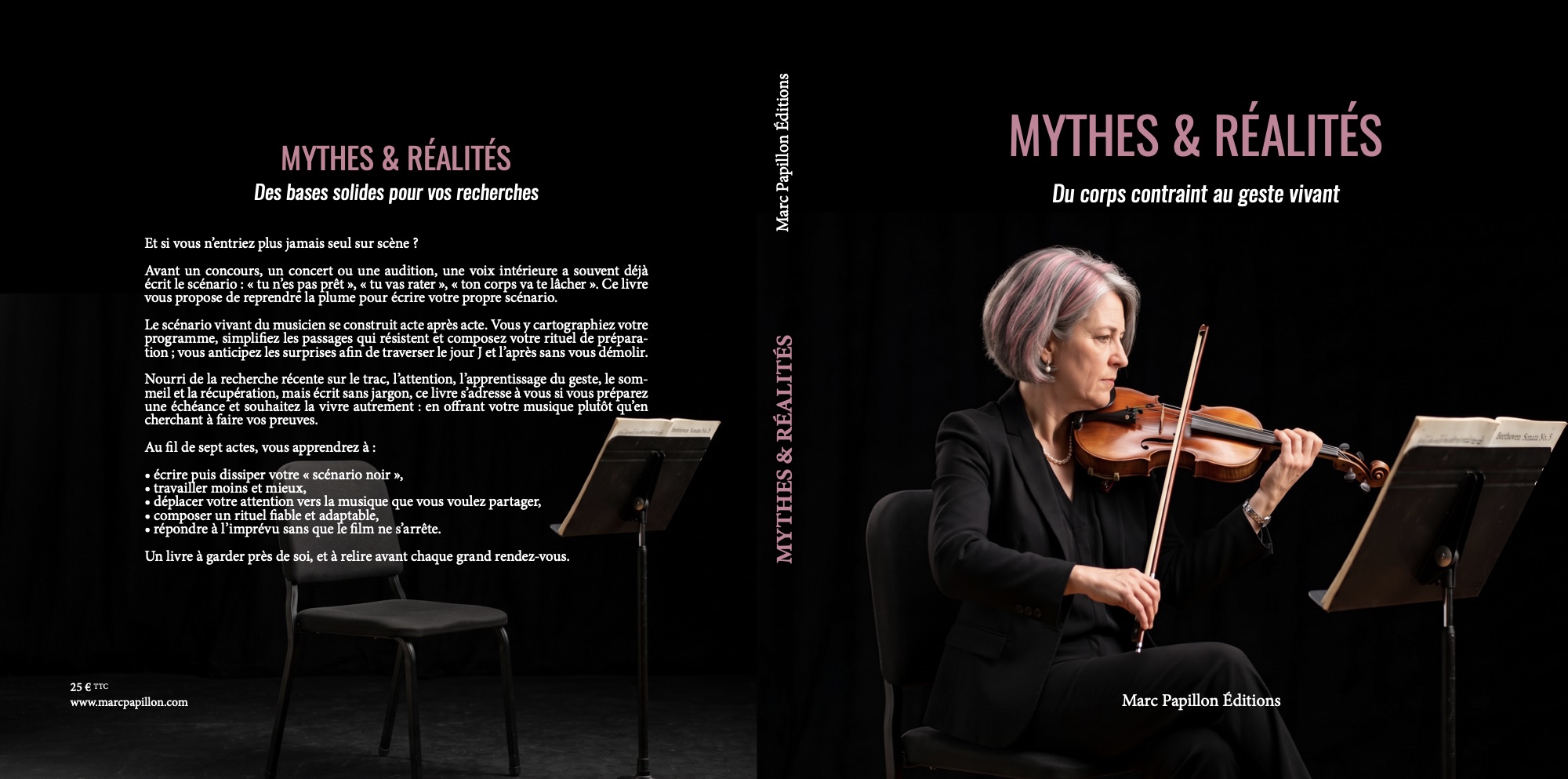
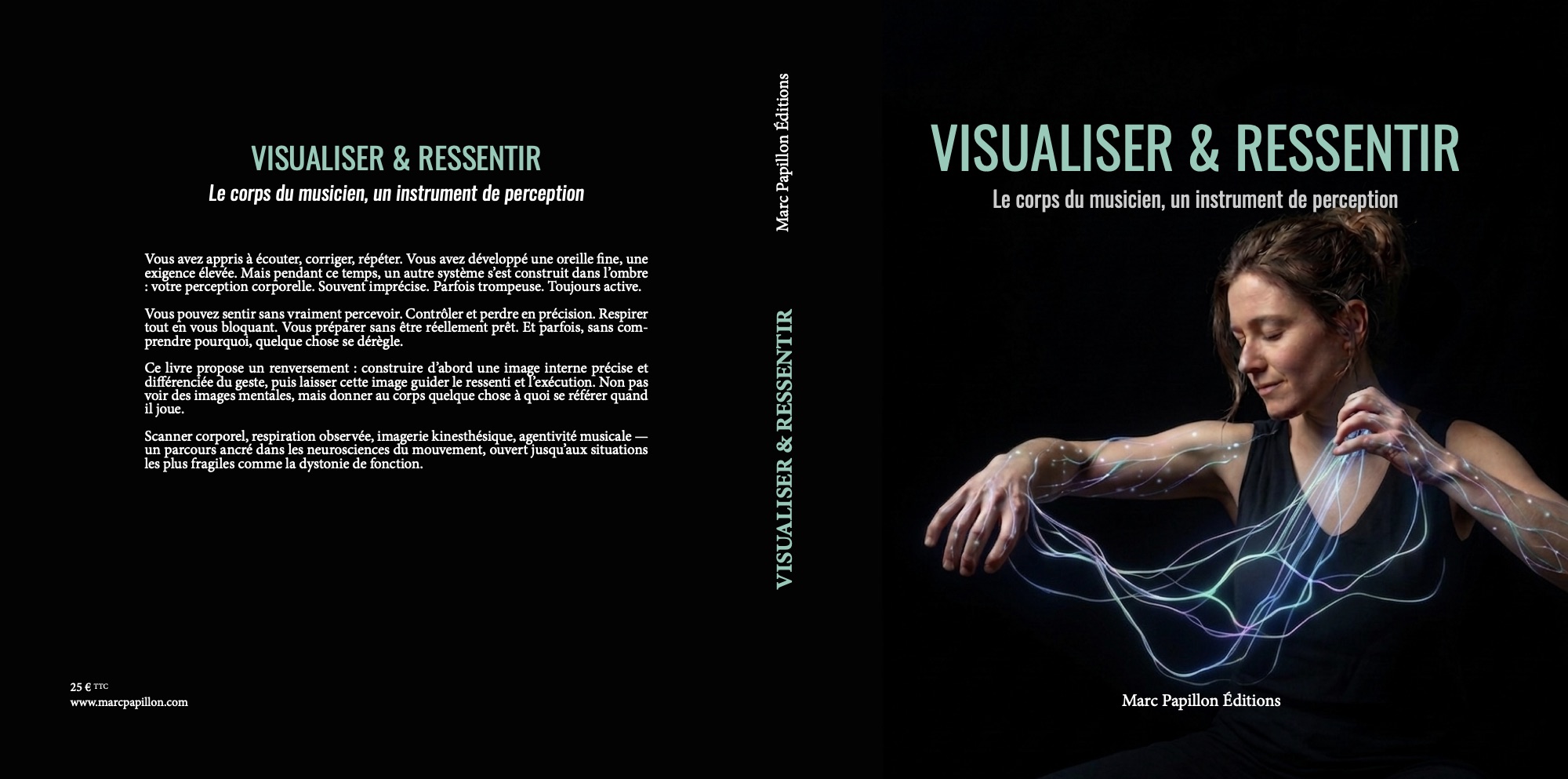
An original edition
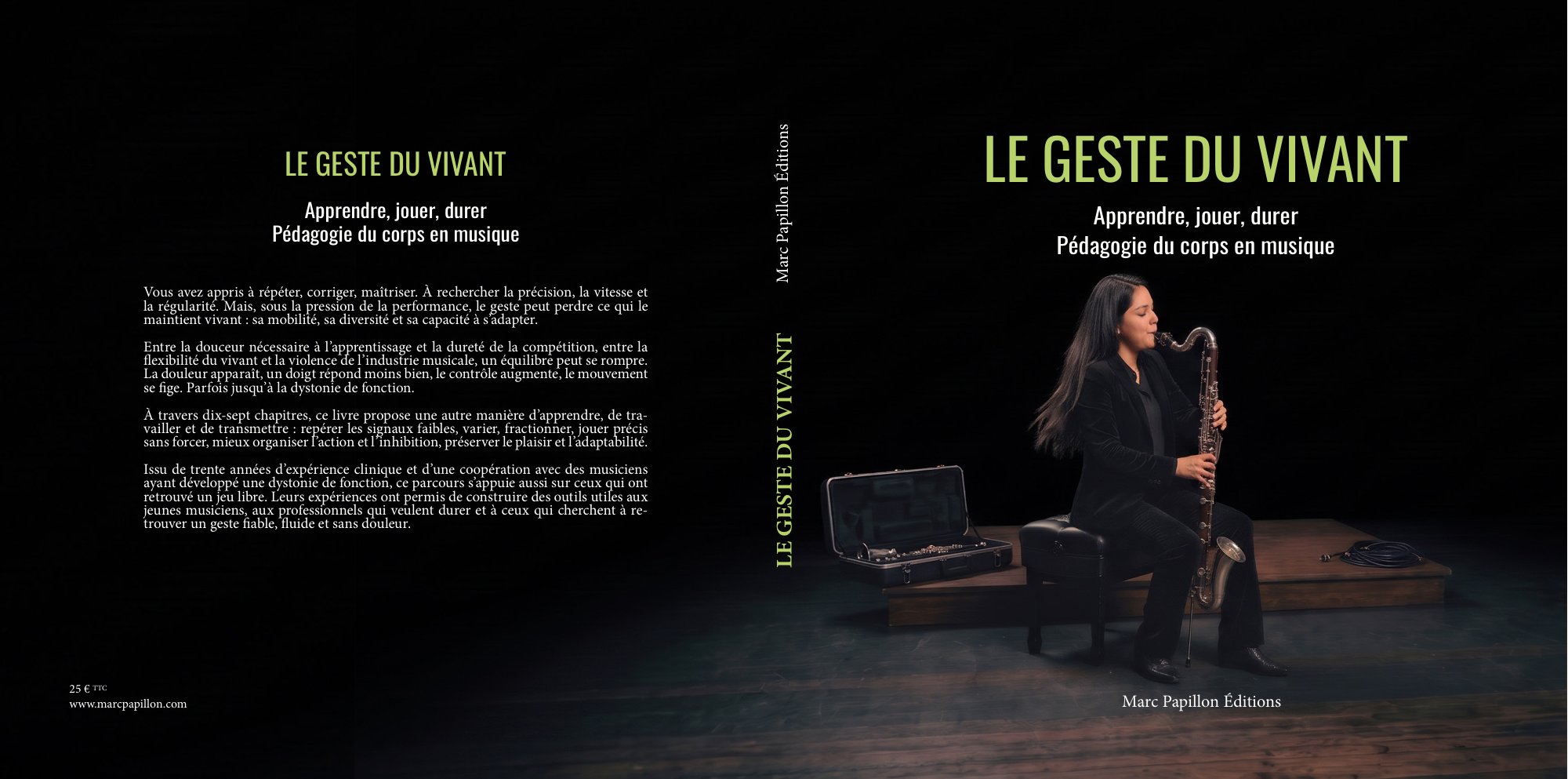
The Living GestureLearn, play, last
A pedagogy of the body in music
An original edition, anatomy and pedagogy
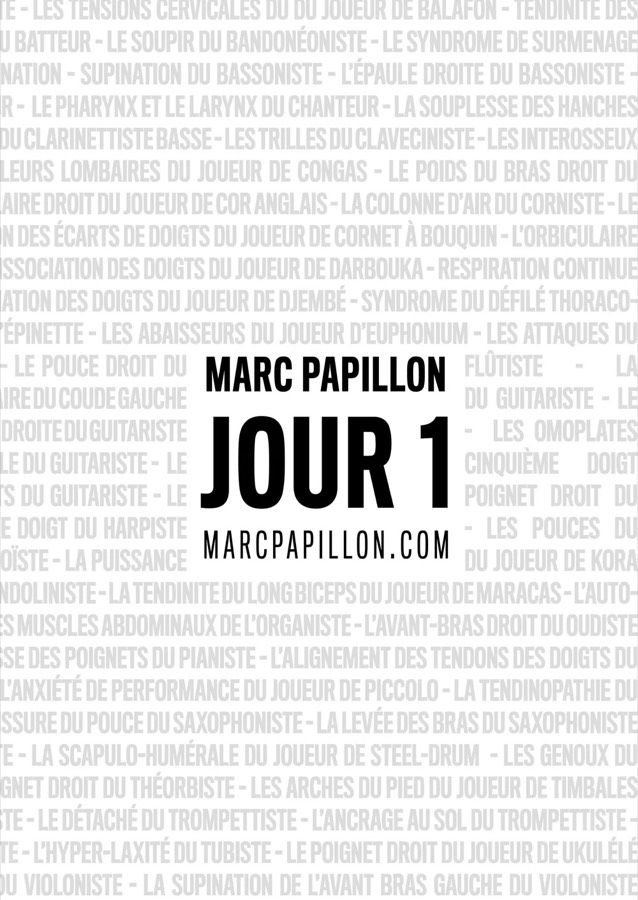
Day 1, Day 2, Day 3
From teaching misconceptions to physiology
This book sets out to offer musicians shortcuts to the problems they commonly face: back, neck and shoulder fatigue, difficulties with hand position, finger independence, joint laxity, anxiety, and more.
Very early on, musicians absorb one of the main functional errors: the excessive pursuit of physical relaxation. This invariably leads to a host of compensations. The areas most targeted in this quest for relaxation are the shoulders, wrists, thumbs, tongue, throat and abdominal muscles, whereas only the mind should remain relaxed and calm, ready for a physically engaged, toned body!
So much advice handed down from generation to generation keeps these misconceptions alive. With a more conscious approach to functional anatomy, received ideas are gradually giving way.
A mastered technique is the result of a toned body and a relaxed mind, not of an overly slack body and an overly tense mind! So many misunderstandings…
Play to play
A first in the physical and mental preparation of young musicians
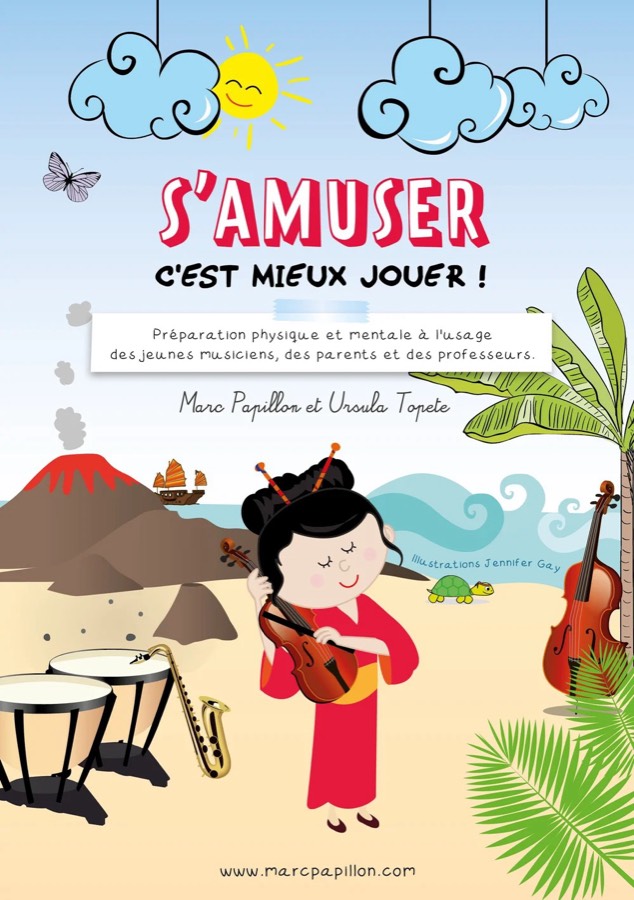
French edition
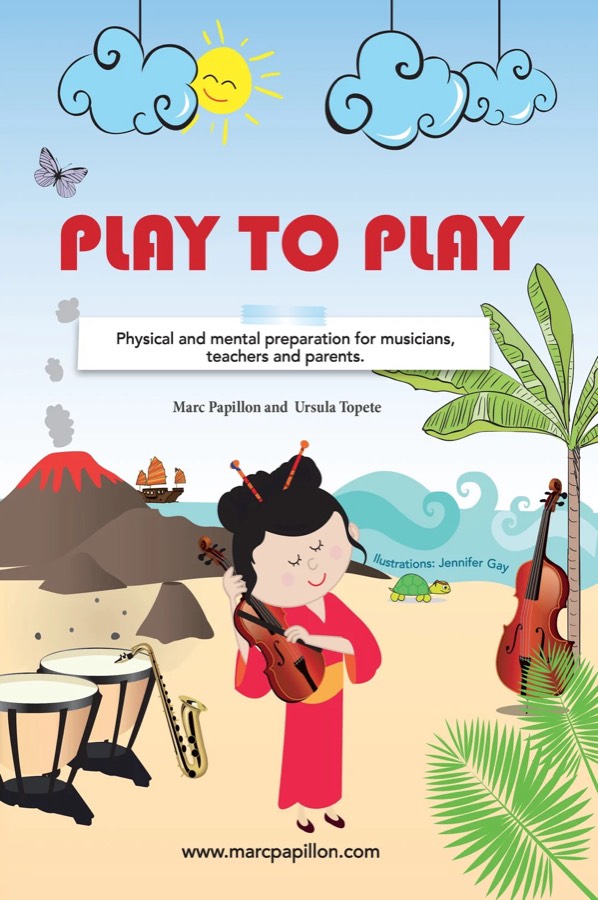
English edition

Spanish edition
For musicians who are already aware and ready to hear, and to read, what playing is really about.
You hear plenty of words from your parents and teachers, so trust your body and your sensations too.
Proprioception matters: a big word for the way your brain represents you in space and makes you work so brilliantly! Neuroscience now shows how important it is to learn with your heart.
So it is up to you, parents, and to your teachers, to take our children to the heart of the matter: physical engagement for a calm mind.
The Pianist’s Hand
La main du pianiste
Bilingual French–English, 2001
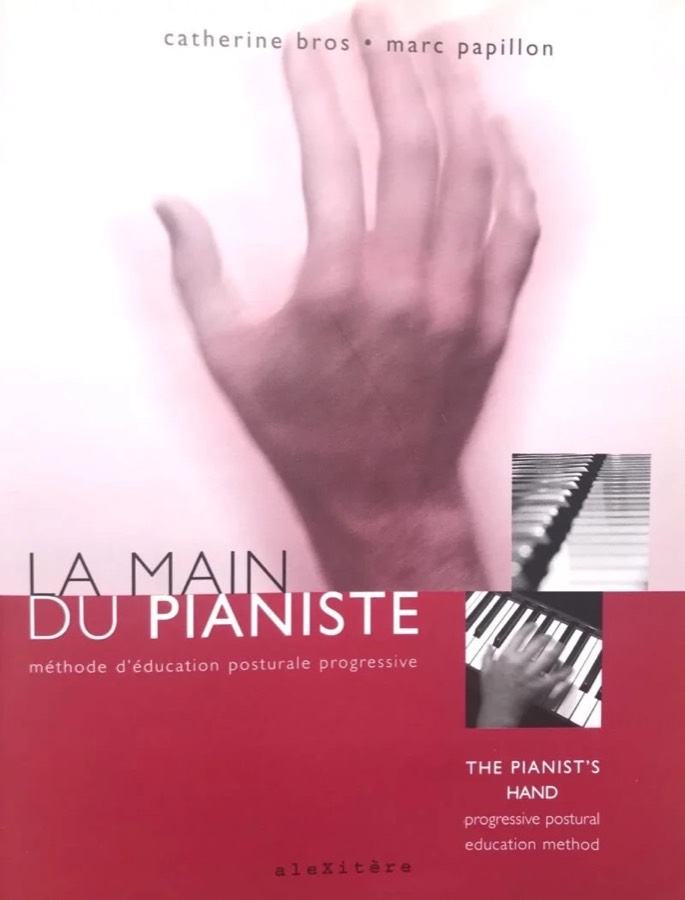
At the end of a chain (shoulder, arm, elbow, forearm, wrist), the hand bears much of the consequences of poor posture. This is why pianists should base their search for greater comfort on respect for anatomical and physiological function. The authors have developed a progressive method of postural education at the piano. Starting from overall posture (contact with the floor, pelvis, spine, head, upper limb), they present, with illustrations, the anatomy and placement of the hand at the piano. Each element of the hand’s biomechanics is linked to pianistic exercises on the score.
Learners learn all the better when the movement is right. But what is a right movement? Let us not talk about posture, which tends to freeze the image of an ideal position. Each musician develops a way of moving that is their own. They develop their own muscular balances, which they feel and which allow them to express themselves ever more freely.
The Guitarist’s Hand
La main du guitariste
Bilingual French–English, 2007
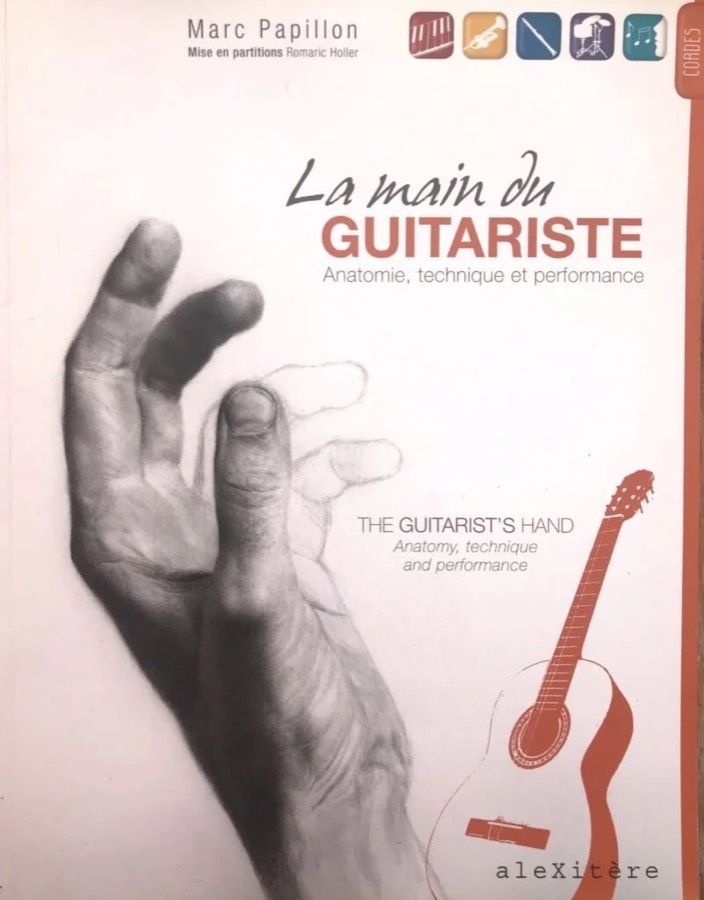
The author, a specialist physiotherapist and trainer, invites guitarists to understand and integrate the anatomical and physiological essentials. These specific musical exercises encourage musicians to develop their sensations at the instrument, while their growing awareness guides and supports them throughout the training. They form the basis of a preparation program away from the instrument before playing, then at the instrument before and after working on repertoire.
This original method gives every guitarist a well-suited tool for setting up their functional goals correctly at the instrument, in pursuit of the finest sound.